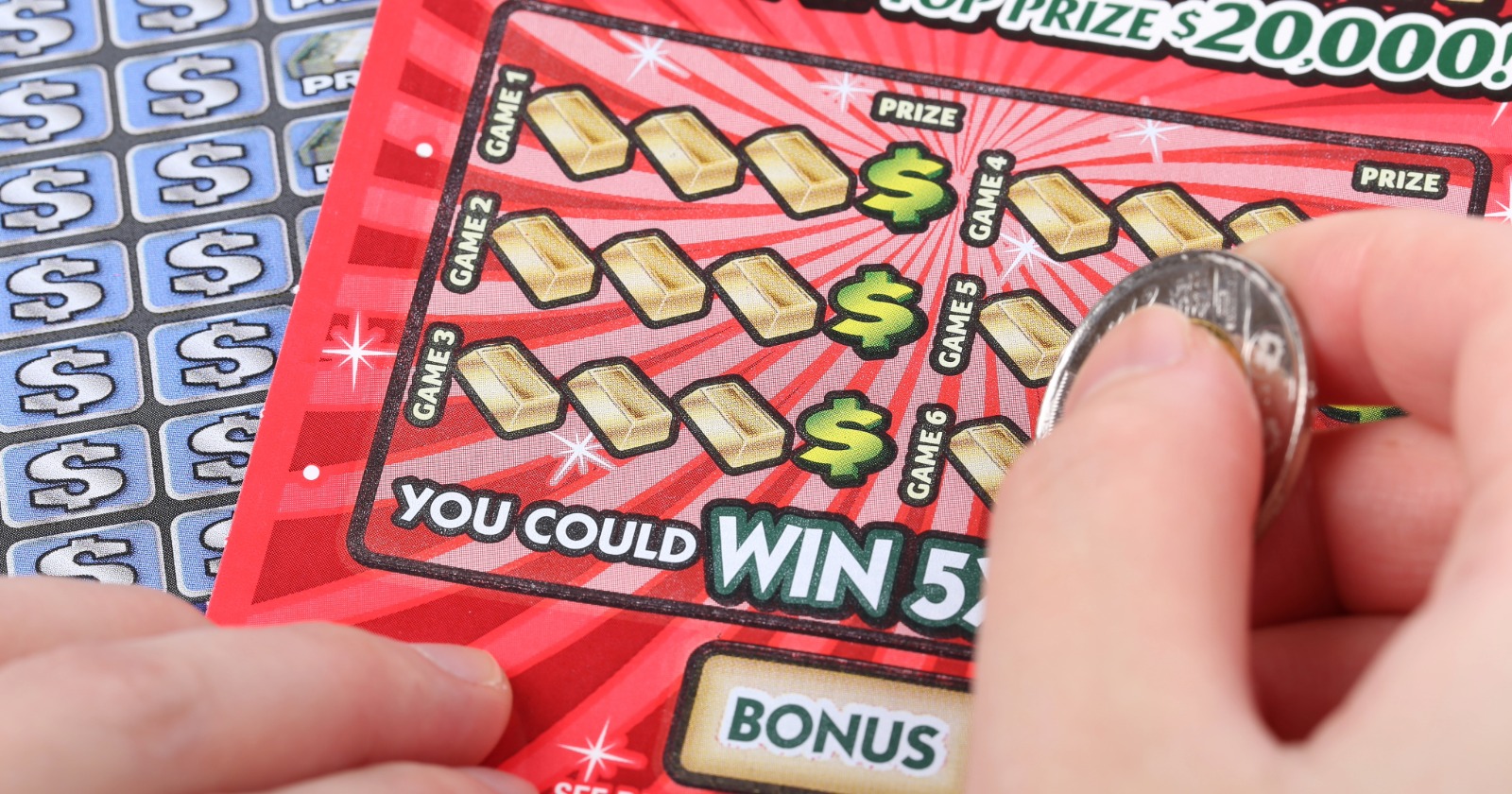
Are Scratch Tickets Actually Random?
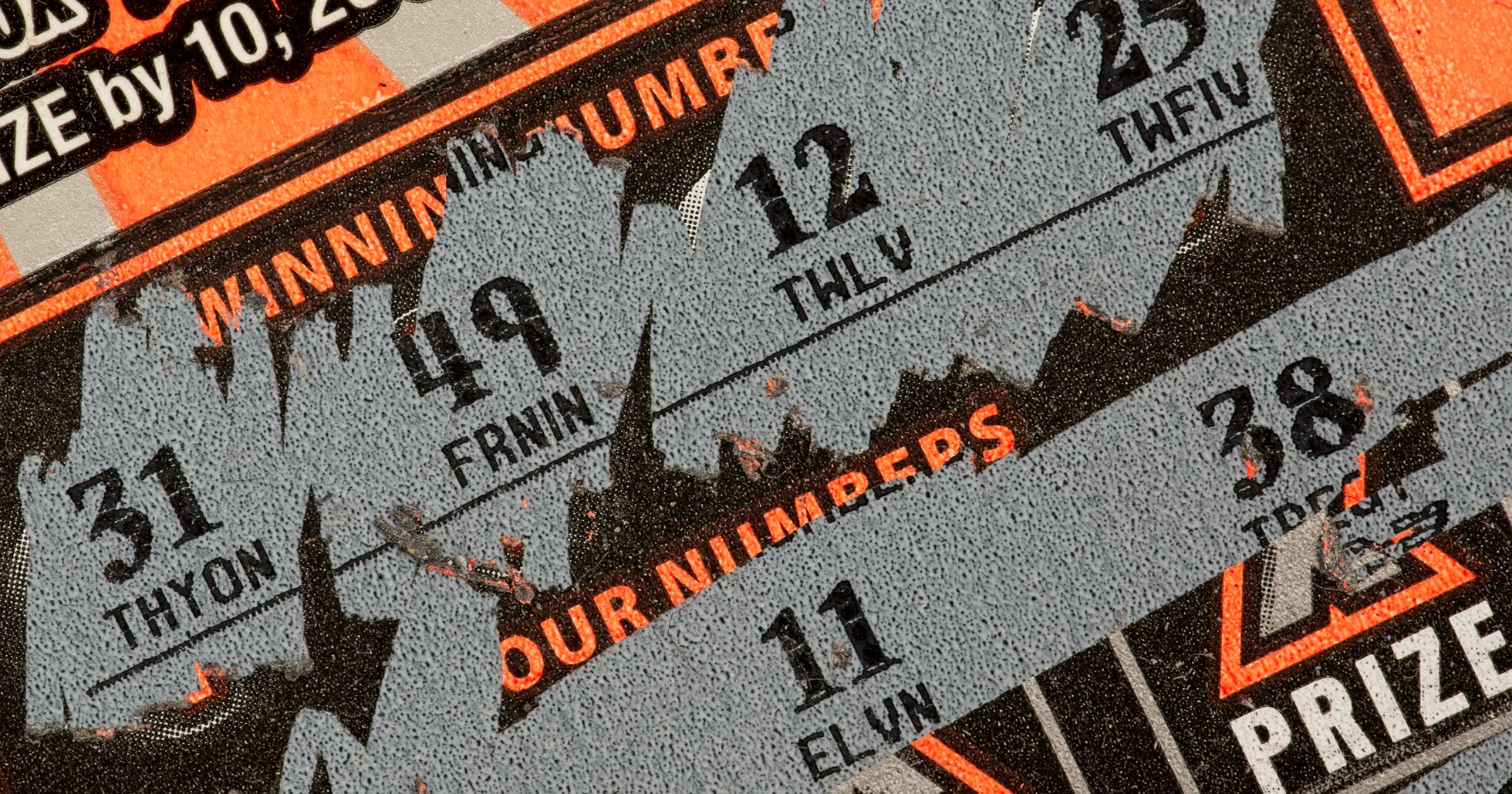
Mostly, but not in the way most people assume. Scratch-off outcomes are determined by a random process at the printing stage, but the result of any individual ticket is fixed the moment it's printed, not random at the moment you scratch it. The distinction matters, and understanding it clears up most of the myths people believe about how scratch-offs work.
Random at Printing, Fixed at Purchase
Here's the key idea. When a scratch-off game is manufactured, the lottery decides in advance how many tickets to print and how many prizes of each amount to include. A game might have 10 million tickets, with four $1 million top prizes, a few thousand $1,000 prizes, and millions of small prizes scattered throughout. The placement of those winning tickets within the print run is randomized by the manufacturing software using algorithms designed to distribute prizes unpredictably.
Once that randomization happens and the tickets are printed, the outcomes are locked. The ticket in your hand was assigned its result during printing. When you scratch it, you're not triggering a random event. You're revealing a result that was set weeks or months ago. The randomness happened at the factory. The scratching is just discovery.
This is fundamentally different from a slot machine or an online instant-win game, where a random number generator determines the outcome at the moment you play. A scratch-off is more like a sealed envelope: the contents were decided when it was sealed, and opening it doesn't change what's inside.
How the Randomization Actually Works
Scratch-off manufacturers use specialized software to distribute prizes across a print run. The process is designed to achieve two things at once: maintain the exact prize structure the lottery ordered (precisely four top prizes, exactly so many second-tier prizes, and so on), while making the location of those prizes unpredictable.
The prizes are not placed by a simple random scatter, because that could accidentally cluster all the winners in one region of the print run. Instead, the software uses controlled randomization that spreads prizes across the full run while preventing detectable patterns. Tickets are then cut, packaged into packs, and the packs are distributed to retailers in a way that further breaks up any sequence. By the time tickets reach stores, there's no way to know which pack or which position holds a winner.
Why "Fixed but Random" Defeats the Common Tricks
This structure is exactly why the popular scratch-off "tricks" don't work. Because the outcomes are fixed at printing and the placement is randomized to prevent patterns, none of the following has any effect:
Buying at a certain time of day. The ticket's result was set at the factory. The time you buy it is irrelevant.
Picking a specific position in the roll. The randomization and packaging process specifically prevents positional patterns. The third ticket in a roll is no more or less likely to win than the thirtieth.
Waiting for a game to be "due." Because each ticket is independently set, a game isn't due for a winner. A roll that hasn't paid out isn't more likely to pay out on the next ticket.
The randomization at printing is precisely what makes these approaches useless. If prizes were placed in a predictable pattern, you could exploit it. They aren't, so you can't.
The One Way Outcomes Aren't Fully Random
There's a nuance worth being honest about. While prize placement is randomized, the prize structure is fixed and known. A game has a specific number of each prize, and as those prizes get claimed, the makeup of the remaining unsold tickets changes in a way that isn't random at all. It's deterministic.
If a game started with four $1 million top prizes and all four have been claimed, then zero top prizes remain in the unsold tickets. That's not a probability, it's a certainty. The remaining tickets cannot contain a top prize because none are left. This is why checking remaining prizes matters: it's the one piece of information about a game that shifts over time in a knowable direction. The individual ticket outcome is fixed and was randomly assigned, but the pool of what's still available is fully determined by what's already been claimed.
This is the closest thing to an edge a player can have, and it's not about predicting randomness. It's about not buying into a game whose good prizes are provably gone.
Are the Odds Honest?
The overall odds printed on a scratch-off are required by law to be accurate at the time of printing, and they reflect the real prize structure of the game. State lotteries are regulated and audited, and the prize counts they publish are verifiable. The randomization software is also subject to security controls and testing to ensure the prize distribution matches what was ordered.
The system is honest in the sense that the odds are real and the prizes exist as stated. What the odds don't tell you is the live status of the prize pool, since printed odds reflect the full original print run, not what's left today. That's a limitation of static printed information, not dishonesty. The game is random and fair within its fixed structure. The structure just doesn't update itself on the ticket as prizes get claimed.
The Bottom Line
Scratch tickets are random in the way that matters: the prizes are distributed unpredictably across the print run by randomization software, so you can't predict or game which ticket wins. But each ticket's outcome is fixed at printing, not generated when you scratch, which is why no scratching technique, timing trick, or position strategy works. The only non-random factor you can use is the remaining prize pool, which shrinks deterministically as prizes get claimed.
That's why the smartest move isn't trying to outguess the randomness. It's checking which games still have their prizes intact before you buy. The ScratchCheck state pages show remaining top prizes, payout rates, and overall odds for every active game, which is the one form of information about a scratch-off that actually changes over time and can inform a better decision.
Frequently Asked Questions
Are scratch-off tickets random?
Mostly, yes, but not in the way most people think. The prizes are randomized when the game is printed, but the result of any individual ticket is fixed at the moment it is printed, not when you scratch it. Scratching only reveals the outcome that was already assigned.
When is a scratch-off winner determined?
A scratch-off’s result is determined during the printing process. Once the tickets are manufactured, the prize outcome for each ticket is locked in. When you buy and scratch the ticket later, you are discovering that preassigned result rather than triggering a new random event.
How are scratch-off prizes randomized?
Lottery manufacturers use specialized software to distribute prizes across the print run in a controlled way. The software keeps the prize structure exact while spreading winners unpredictably so there is no obvious pattern in the tickets or in the packs sent to retailers.

Phil Nageotte is a writer covering scratch-off odds, expected value, prize data, and more. He joined ScratchCheck in 2026 after years of tracking lottery payouts in spreadsheets of his own.