
Best Scratch-Off Tickets by ValueScore™
Every active scratch off graded 0 to 100. Higher is better. The score looks past the printed odds: it also counts how much the game pays back, how big the prizes really are, and how many top prizes are still left to claim.
What is ValueScore™?
ValueScore™ grades every scratch off from 0 to 100. Higher is better.
The odds printed on a ticket have two blind spots: they count a free ticket the same as a jackpot, and they never change after printing, even once every top prize has been claimed.
ValueScore™ fixes both. It measures how much of your money the game pays back, how much of that sits in prizes worth winning, and how many top prizes are actually left, re-scored as prizes get claimed. A game with great printed odds and empty jackpots scores low here.
| # | Score | Region | Game | Price | Top Prize | Odds |
|---|---|---|---|---|---|---|
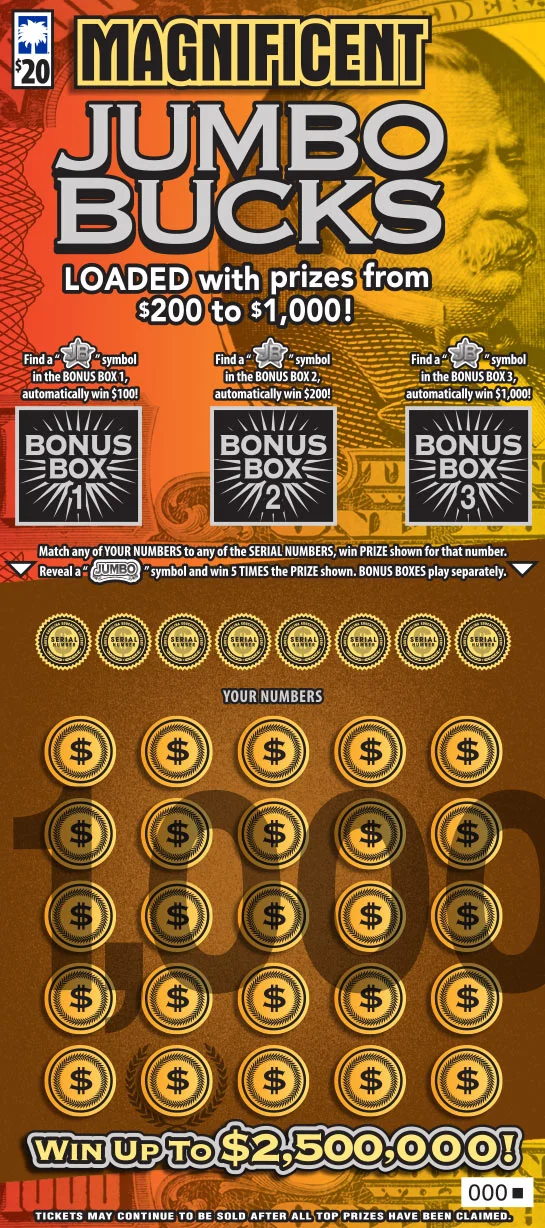
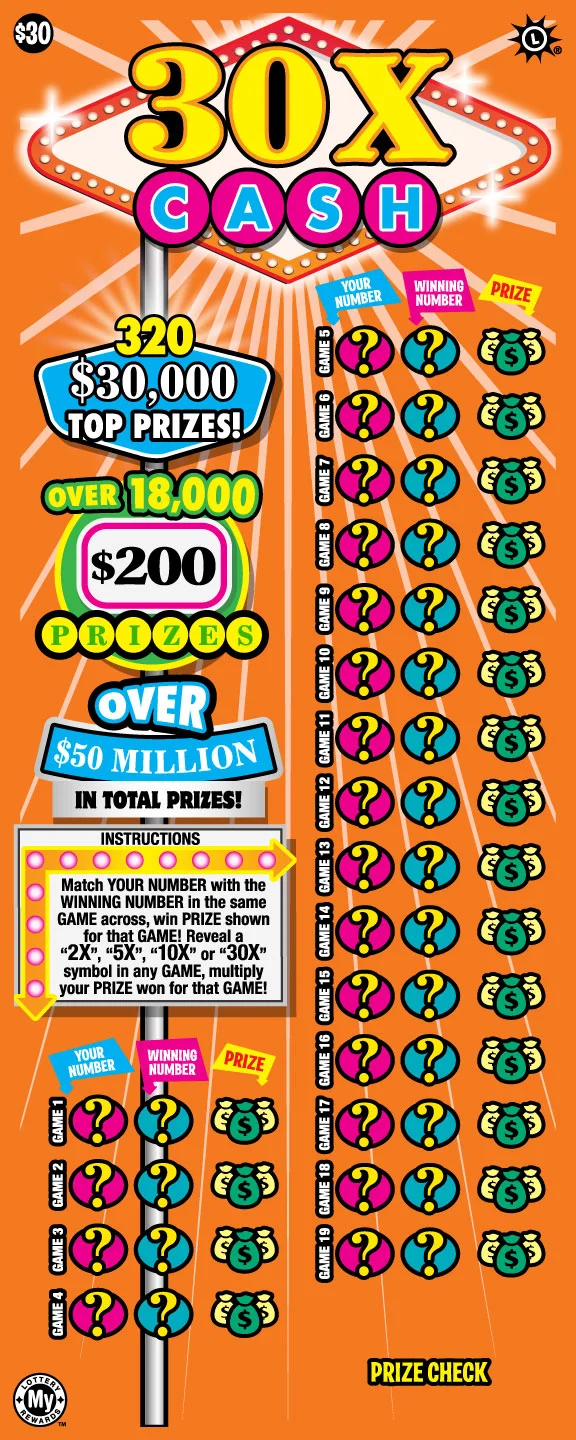
| 1 | 99 | South Carolina | $20 | $2,500,000 | 1 in 3.09 | |
| 2 | 99 | Iowa | $30 | $300,000 | 1 in 2.28 | |
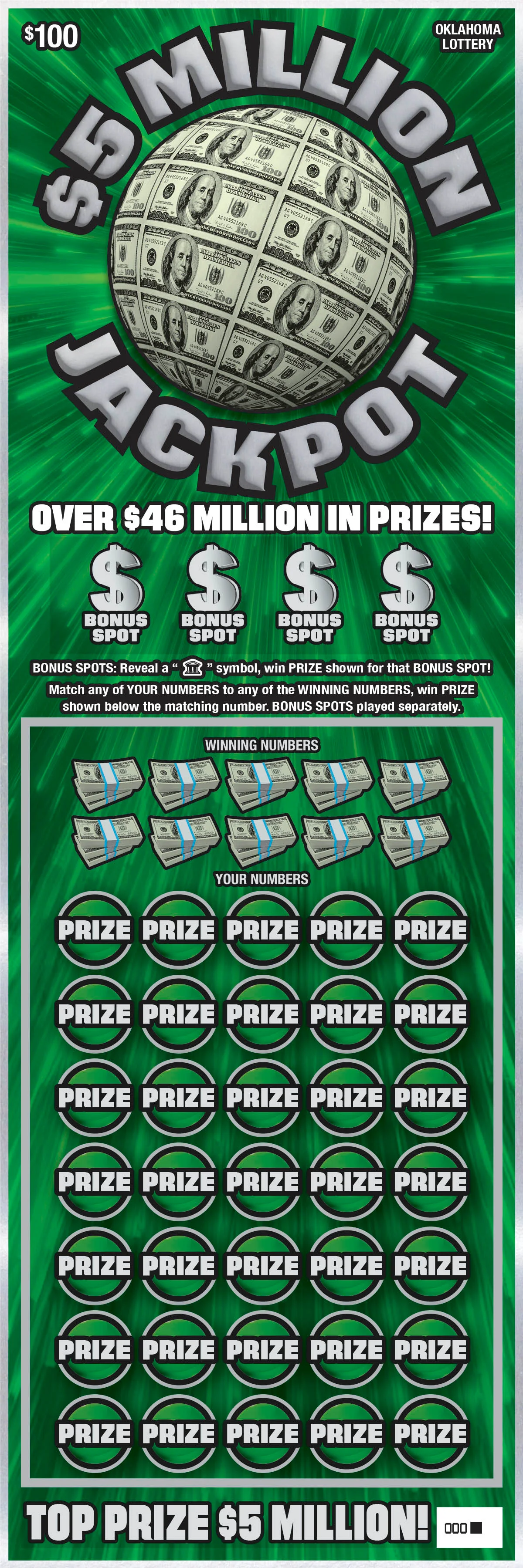
| 3 | 99 | Oklahoma | $100 | $5,000,000 | 1 in 2.37 | |
| 4 | 98 | Arizona | $30 | $3,500,000 | 1 in 2.76 | |
| 5 | 98 | Michigan | $50 | $6,000,000 | 1 in 3.32 | |
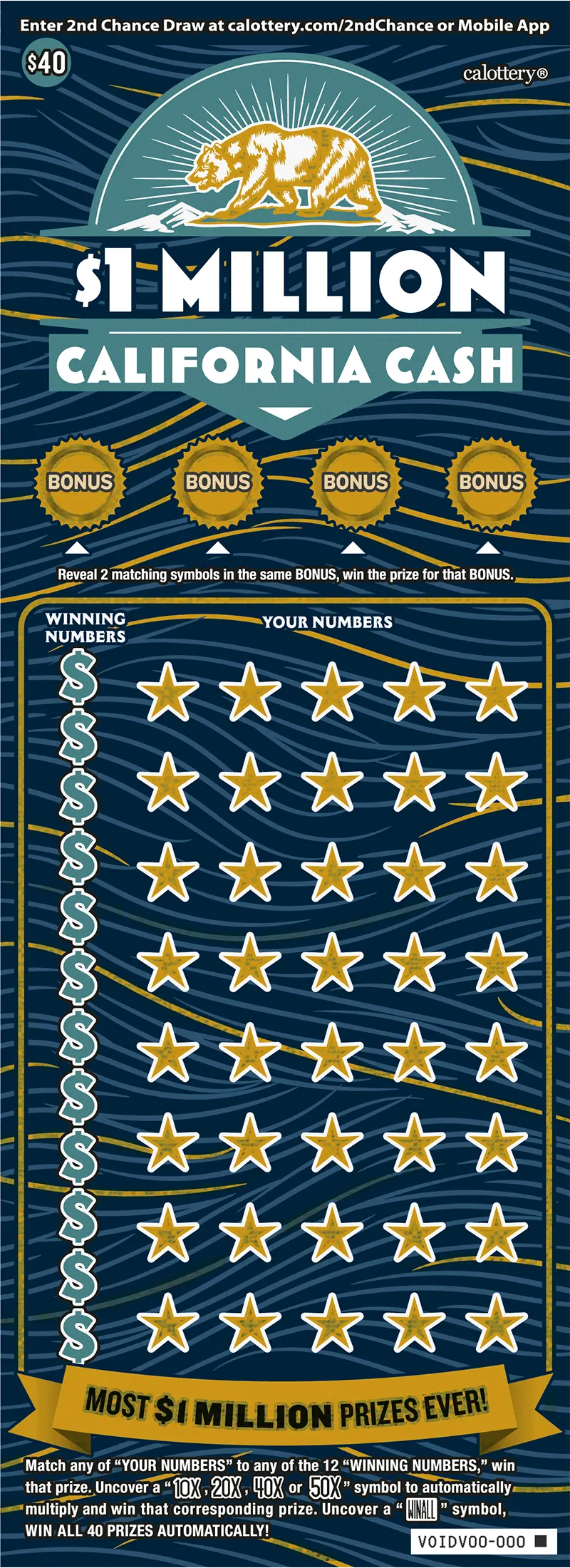
| 6 | 98 | California | $40 | $1,000,000 | 1 in 2.32 | |
| 7 | 98 | Idaho | $50 | $1,000,000 | 1 in 2.71 | |
| 8 | 98 | South Dakota | $30 | $650,000 | 1 in 3.47 | |
| 9 | 97 | Minnesota | $20 | $300,000 | 1 in 2.76 | |
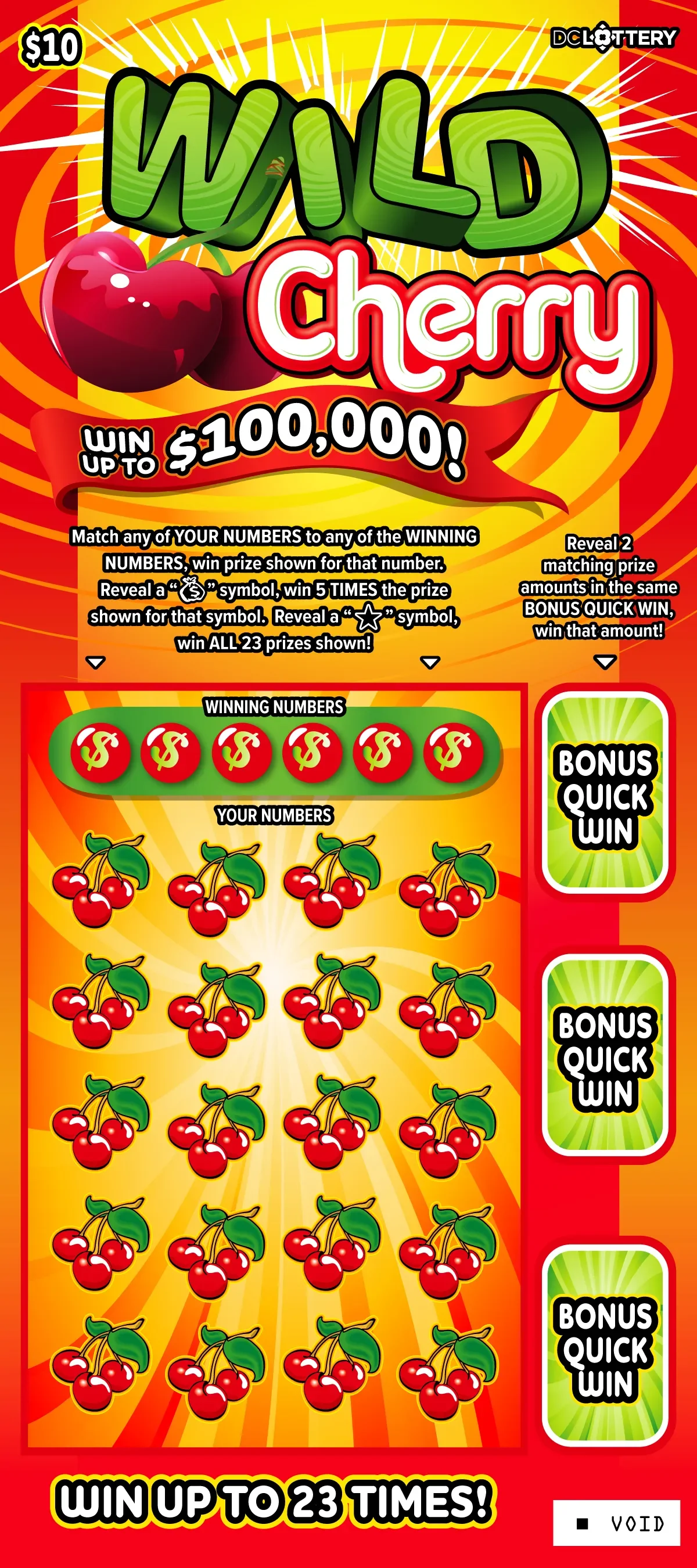
| 10 | 97 | Washington DC | $20 | $250,000 | 1 in 3.10 | |
| 11 | 97 | Washington DC | $30 | $1,000,000 | 1 in 3.33 | |
| 12 | 96 | Washington | $30 | $2,000,000 | 1 in 2.99 | |
| 13 | 96 | New Jersey | $30 | $1,000,000 | 1 in 3.64 | |
| 14 | 95 | Oregon | $30 | $150,000 | 1 in 3.28 | |
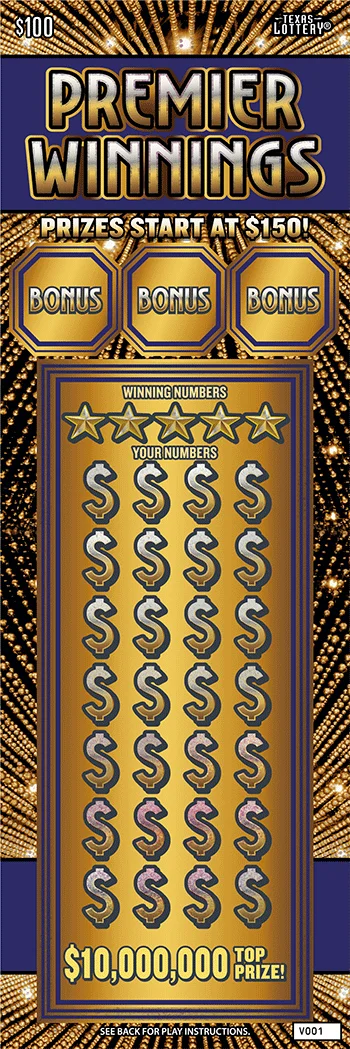
| 15 | 95 | Texas | $100 | $10,000,000 | 1 in 3.49 | |
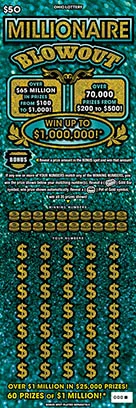
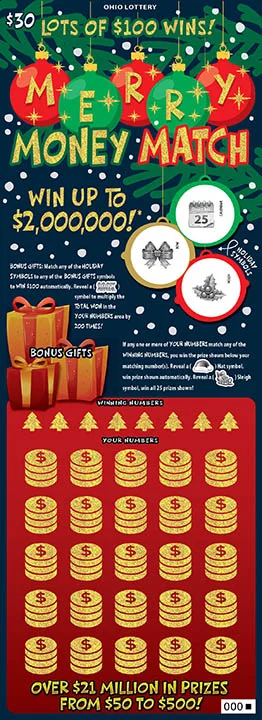
| 16 | 95 | Ohio | $50 | $1,000,000 | 1 in 2.73 | |
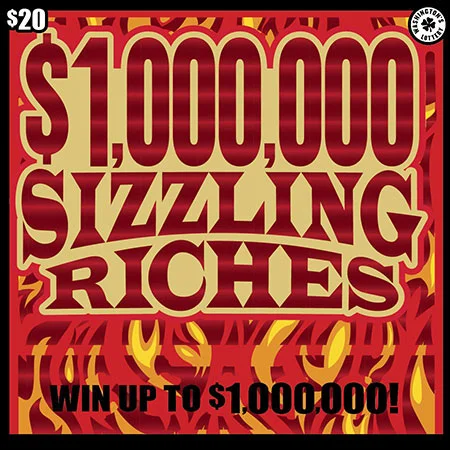
| 17 | 95 | Washington | $20 | $1,000,000 | 1 in 3.31 | |
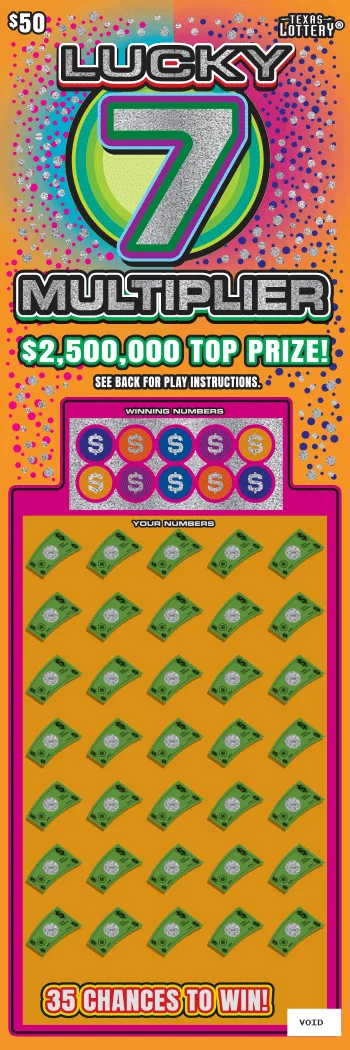
| 18 | 94 | Texas | $50 | $2,500,000 | 1 in 3.26 | |
| 19 | 94 | Iowa | $30 | $300,000 | 1 in 2.29 | |
| 20 | 94 | Oregon | $20 | $100,000 | 1 in 3.57 | |
| 21 | 94 | Maryland | $30 | $30,000 | 1 in 2.83 | |
| 22 | 94 | Florida | $30 | $15,000,000 | 1 in 2.85 | |
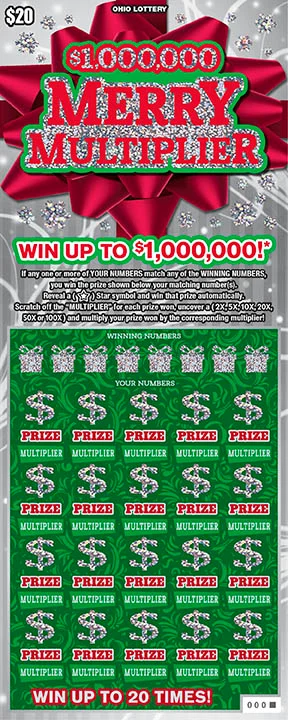
| 23 | 94 | Ohio | $30 | $2,000,000 | 1 in 3.23 | |
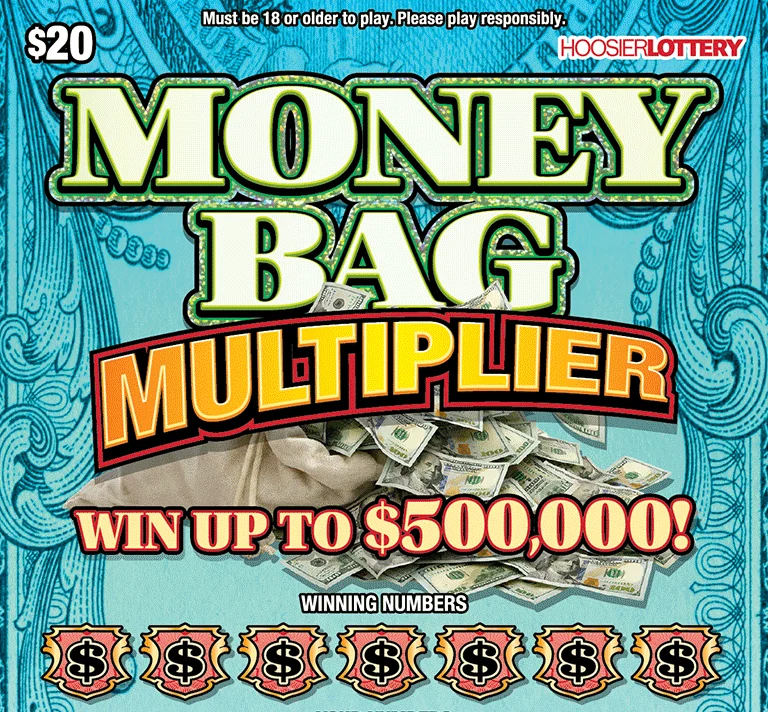
| 24 | 94 | Indiana | $20 | $500,000 | 1 in 3.58 | |
| 25 | 94 | Iowa | $10 | $100,000 | 1 in 2.82 | |
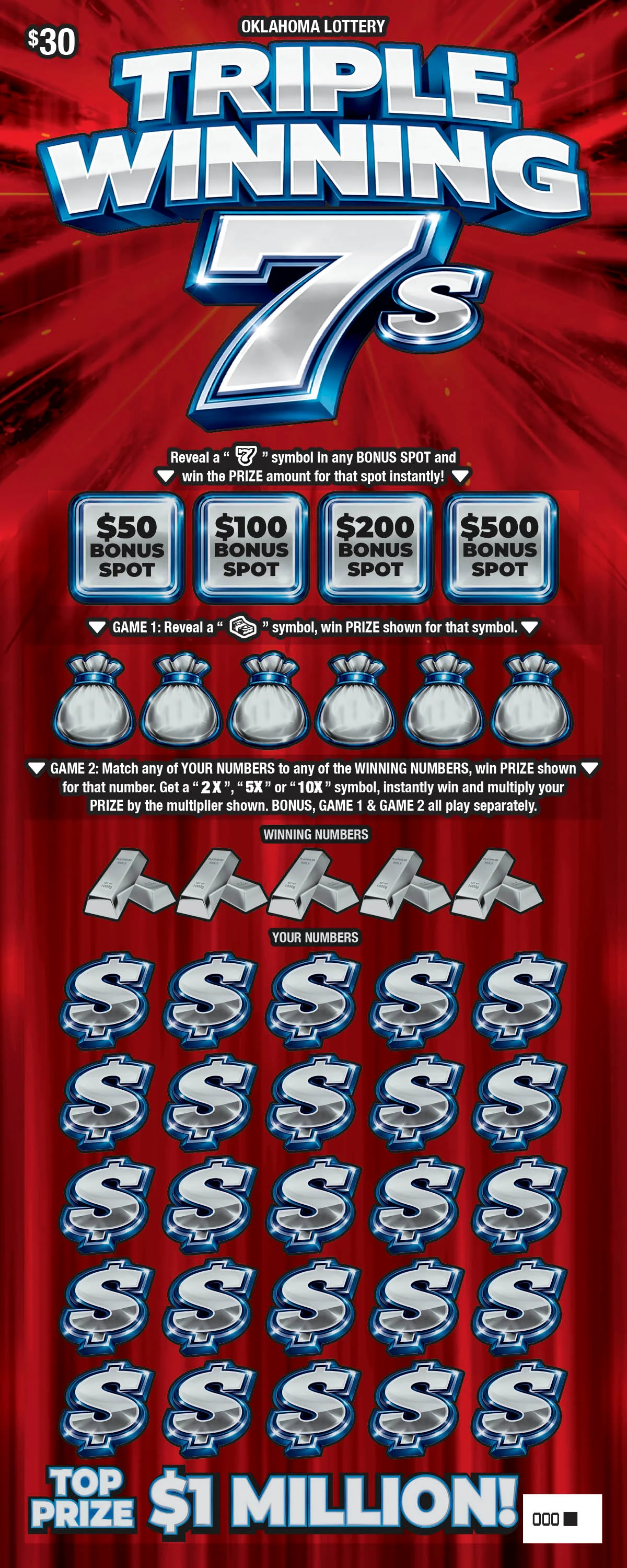
| 26 | 94 | Oklahoma | $30 | $1,000,000 | 1 in 2.77 | |
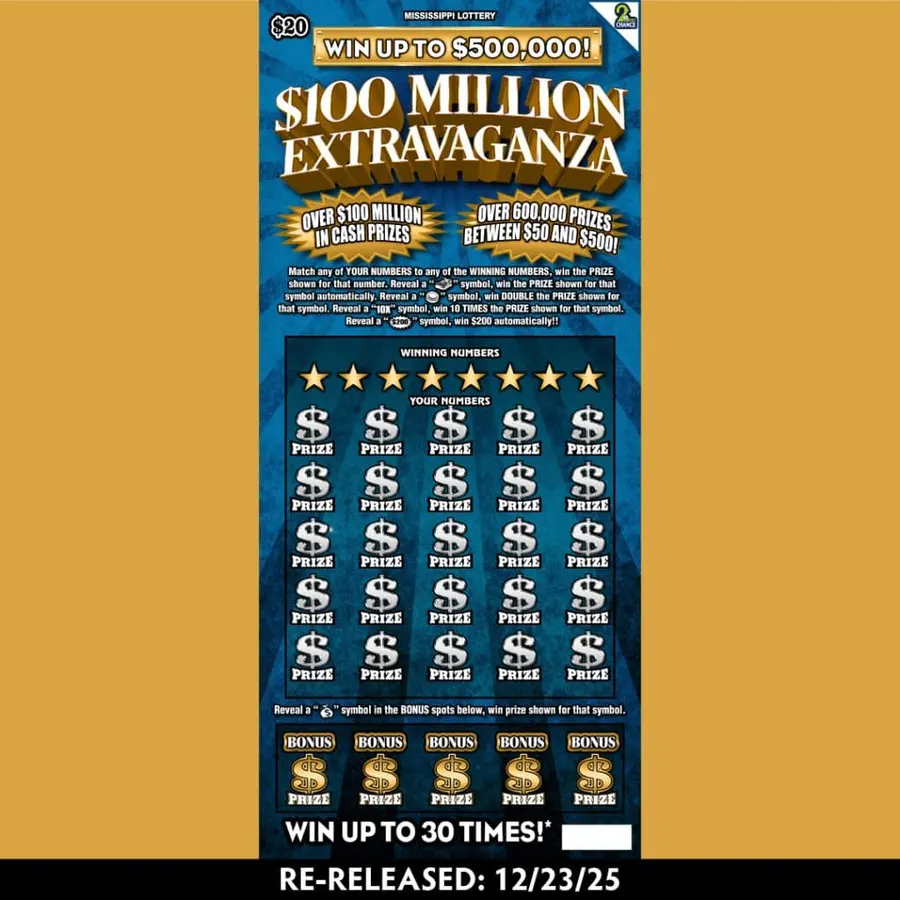
| 27 | 94 | Mississippi | $20 | $500,000 | 1 in 3.40 | |
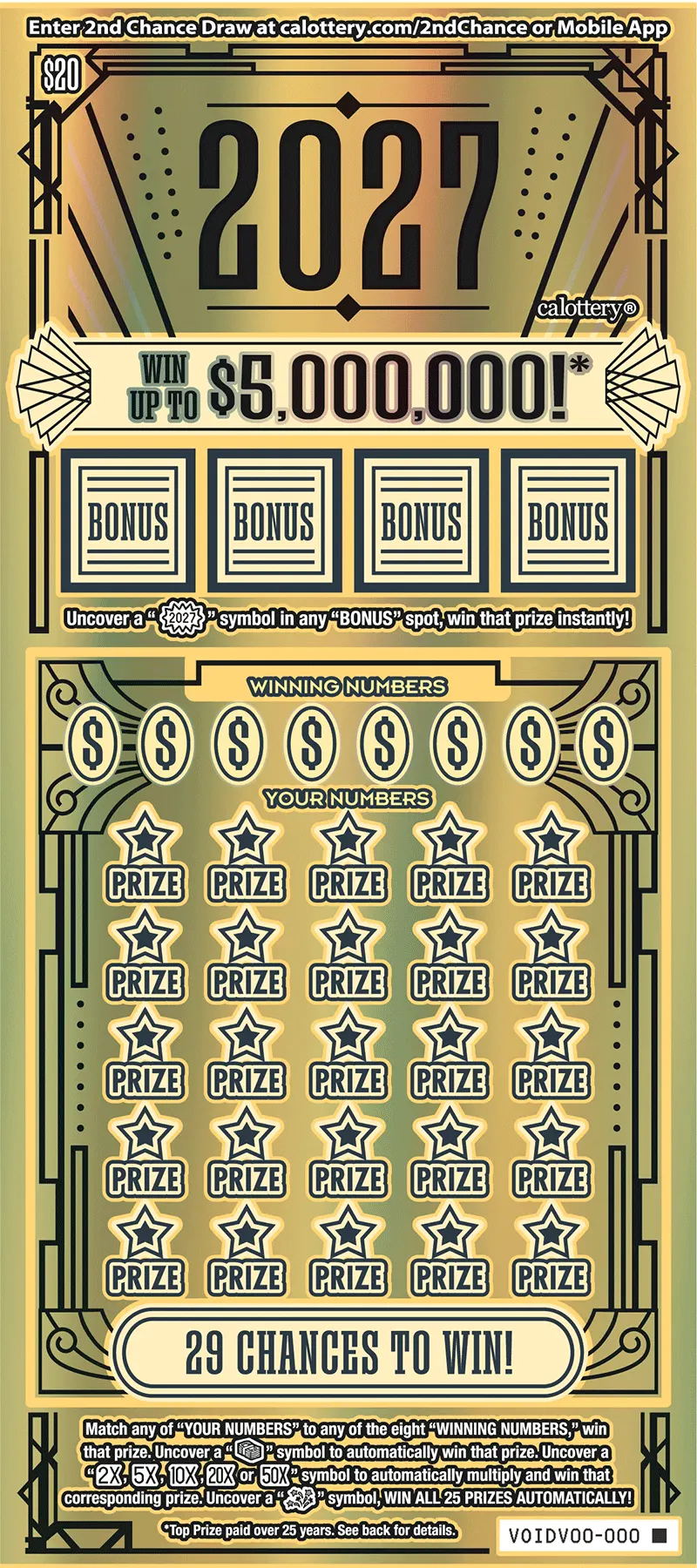
| 28 | 94 | California | $20 | $5,000,000 | 1 in 3.00 | |
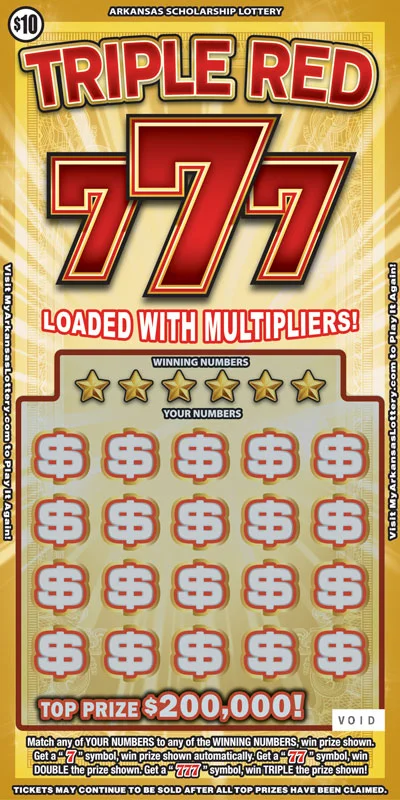
| 29 | 93 | Arkansas | $10 | $200,000 | 1 in 2.97 | |
| 30 | 92 | Ohio | $20 | $1,000,000 | 1 in 3.33 | |
| 31 | 92 | Illinois | $30 | $5,000,000 | 1 in 3.64 | |
| 32 | 92 | California | $30 | $10,000,000 | 1 in 2.71 | |
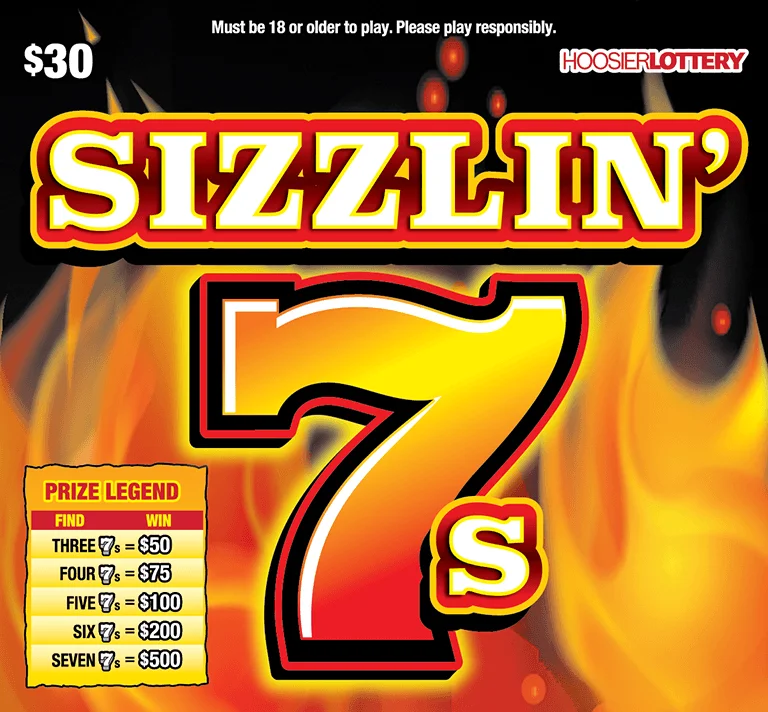
| 33 | 92 | Indiana | $30 | $700,000 | 1 in 3.46 | |
| 34 | 92 | Louisiana | $20 | $500,000 | 1 in 3.20 | |
| 35 | 92 | Florida | $10 | $2,000,000 | 1 in 3.38 | |
| 36 | 92 | Maryland | $30 | $5,000 | 1 in 2.64 | |
| 37 | 92 | Virginia | $20 | $3,000,000 | 1 in 3.03 | |
| 38 | 92 | Michigan | $30 | $4,000,000 | 1 in 3.14 | |
| 39 | 91 | New Jersey | $20 | $1,000,000 | 1 in 3.61 | |
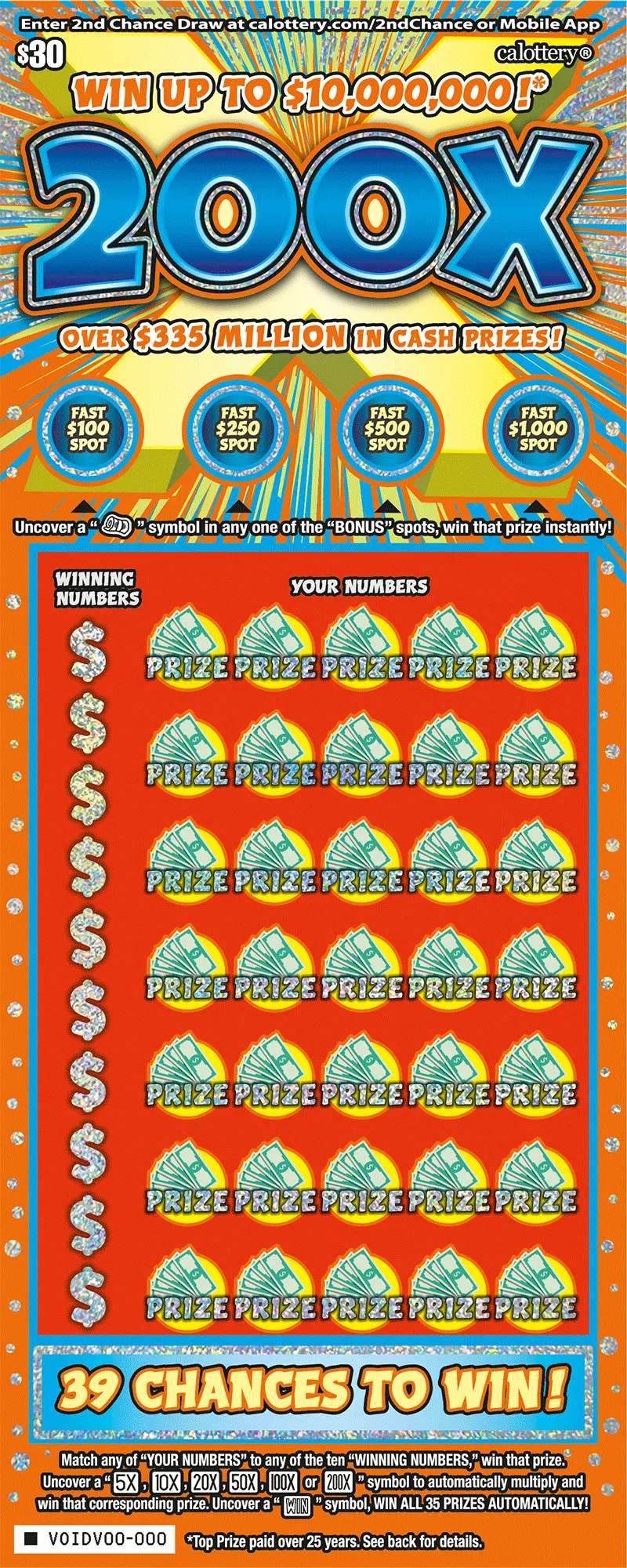
| 40 | 91 | Arizona | $30 | $1,000,000 | 1 in 2.30 | |
| 41 | 91 | New Mexico | $15 | $25,000 | 1 in 2.98 | |
| 42 | 91 | Washington DC | $10 | $100,000 | 1 in 3.46 | |
| 43 | 91 | Iowa | $20 | $250,000 | 1 in 2.88 | |
| 44 | 91 | Rhode Island | $20 | $200,000 | 1 in 3.51 | |
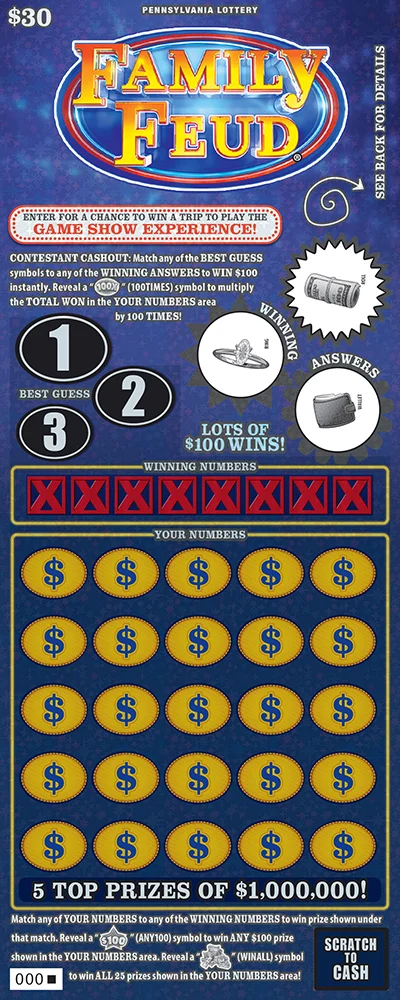
| 45 | 91 | Pennsylvania | $30 | $1,000,000 | 1 in 2.74 | |
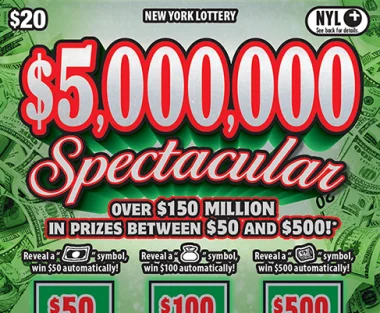
| 46 | 91 | New York | $20 | $5,000,000 | 1 in 3.85 | |
| 47 | 91 | Arizona | $20 | $250,000 | 1 in 2.81 | |
| 48 | 91 | West Virginia | $30 | $300,000 | 1 in 3.12 | |
| 49 | 90 | Oregon | $20 | $125,000 | 1 in 2.77 | |
| 50 | 90 | Georgia | $20 | $2,000,000 | 1 in 3.12 |











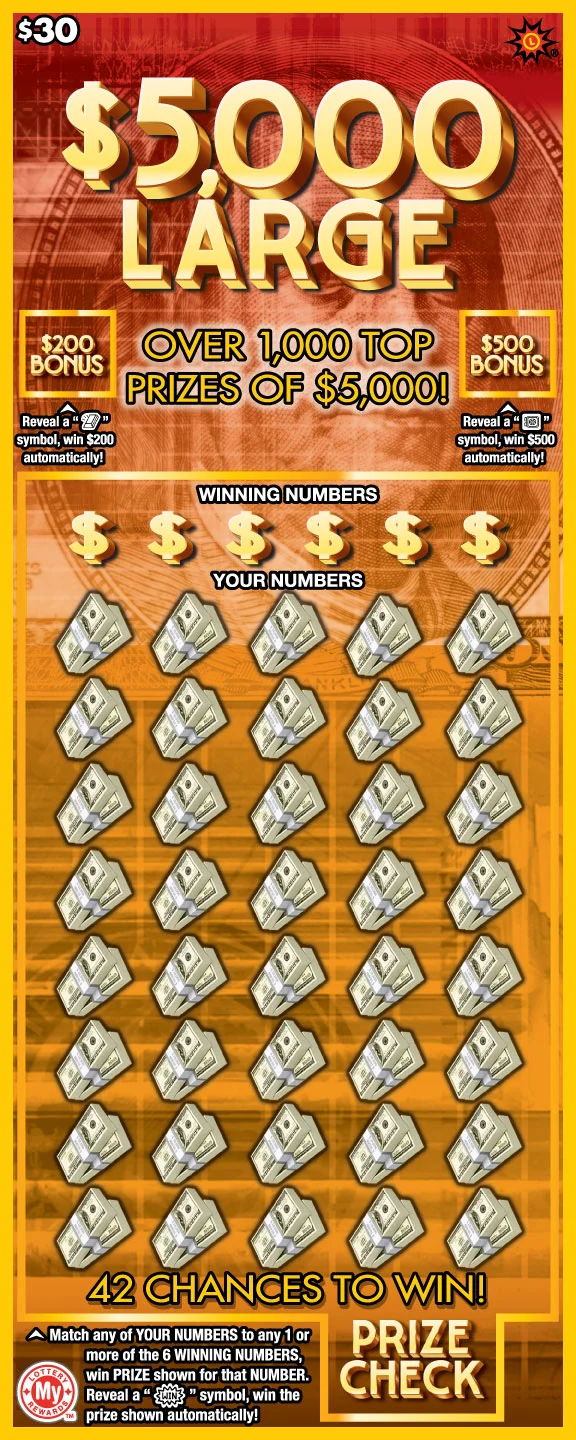
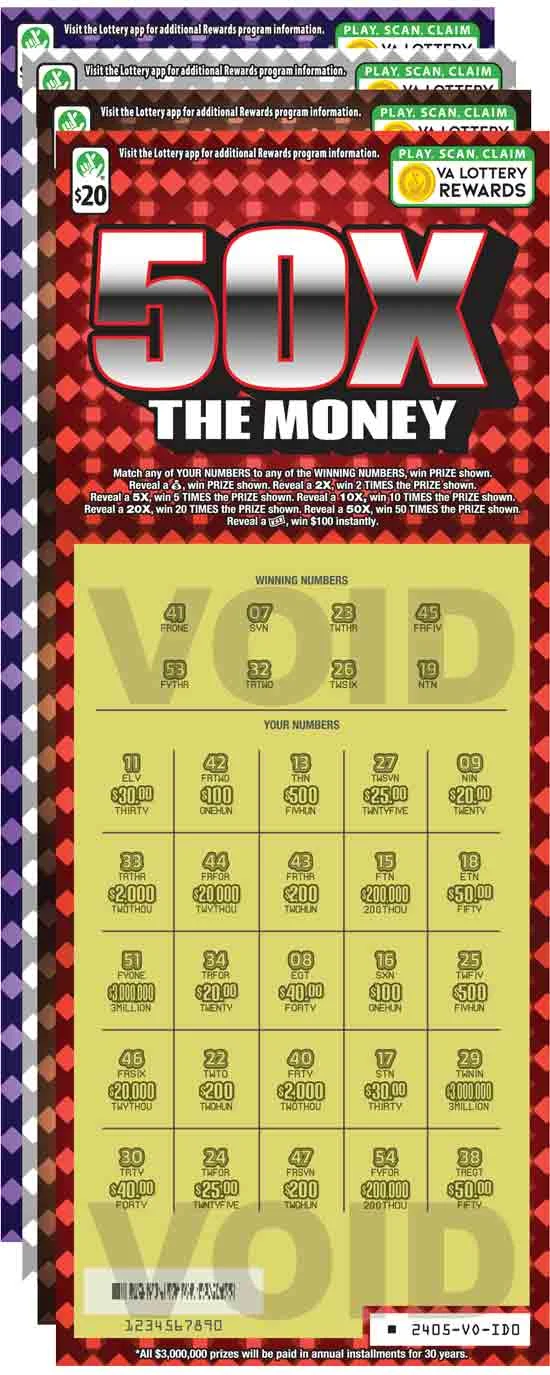

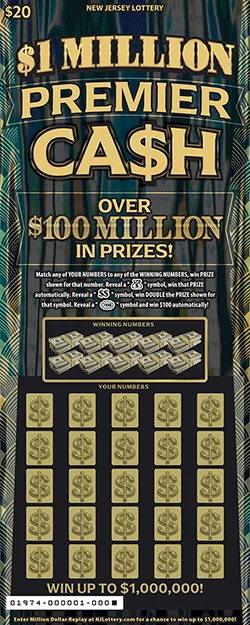
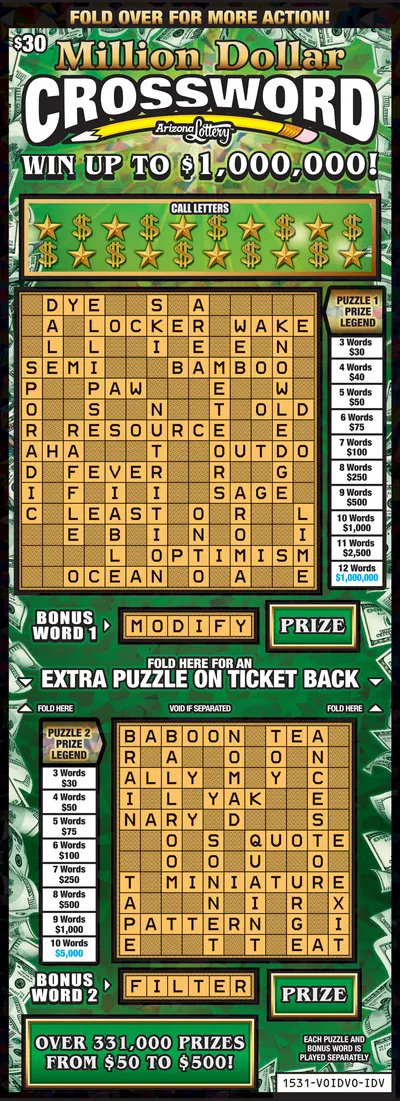






| # | Score | Region | Game | Price | Top Prize | Odds |
|---|---|---|---|---|---|---|
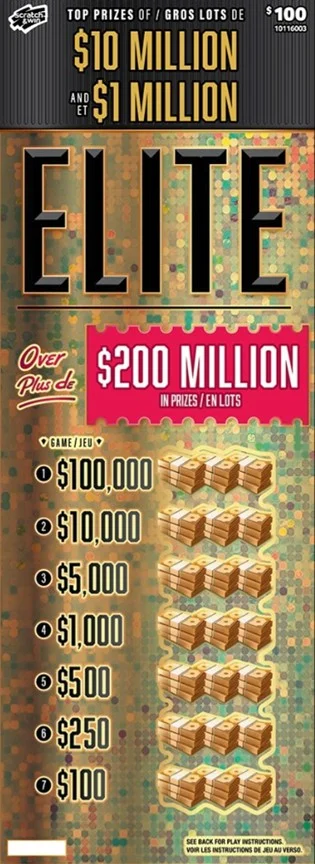
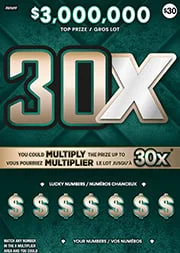
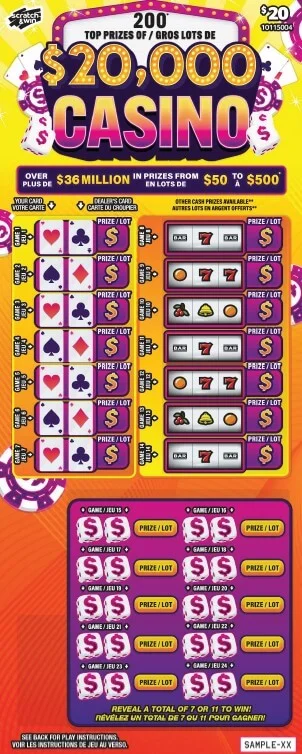
| 1 | 99 | Ontario | $100 | $10,000,000 | 1 in 2.91 | |
| 2 | 97 | British Columbia | $100 | $10,000,000 | 1 in 2.91 | |
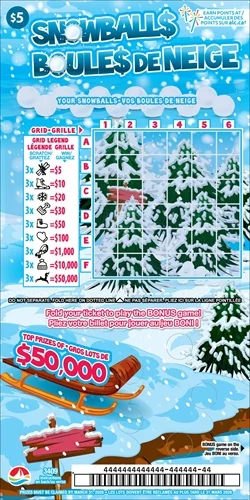
| 3 | 88 | British Columbia | $5 | $675,000 | 1 in 3.75 | |
| 4 | 87 | Ontario | $30 | $3,000,000 | 1 in 3.54 | |
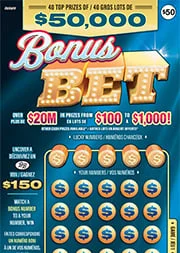
| 5 | 87 | Ontario | $50 | $50,000 | 1 in 3.10 | |
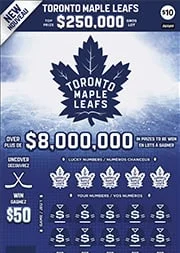
| 6 | 85 | Ontario | $10 | $250,000 | 1 in 3.51 | |
| 7 | 85 | British Columbia | $20 | $150,000 | 1 in 2.50 | |
| 8 | 84 | British Columbia | $20 | $200,000 | 1 in 3.20 | |
| 9 | 82 | Ontario | $10 | $250,000 | 1 in 3.46 | |
| 10 | 81 | British Columbia | $20 | $150,000 | 1 in 2.00 | |
| 11 | 79 | Ontario | $50 | $5,000,000 | 1 in 3.15 | |
| 12 | 79 | Ontario | $20 | $300,000 | 1 in 3.29 | |
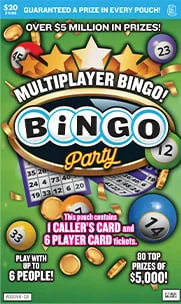
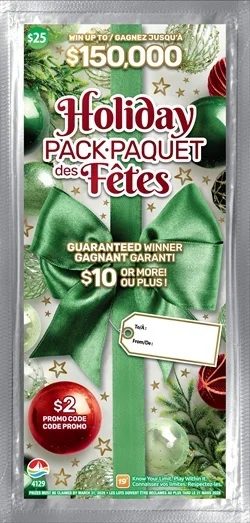
| 13 | 79 | Atlantic Canada | $25 | $150,000 | 1 in 1.00 | |
| 14 | 79 | Western Canada (AB, SK, MB) | $20 | $5,000 | 1 in 1.00 | |
| 15 | 78 | Atlantic Canada | $25 | $150,000 | 1 in 1.00 | |
| 16 | 77 | Atlantic Canada | $100 | $10,000,000 | 1 in 2.91 | |
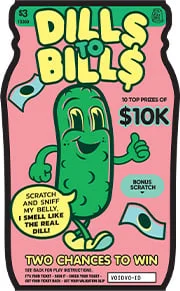
| 17 | 77 | Western Canada (AB, SK, MB) | $3 | $10,000 | 1 in 2.18 | |
| 18 | 76 | Ontario | $10 | $250,000 | 1 in 3.59 | |
| 19 | 75 | Atlantic Canada | $10 | $100,000 | 1 in 3.11 | |
| 20 | 75 | Ontario | $30 | $99,000 | 1 in 3.67 | |
| 21 | 75 | Ontario | $30 | $350,000 | 1 in 3.42 | |
| 22 | 74 | British Columbia | $30 | $3,000,000 | 1 in 3.54 | |
| 23 | 74 | Atlantic Canada | $10 | $200,000 | 1 in 3.17 | |
| 24 | 74 | British Columbia | $50 | $5,000,000 | 1 in 3.15 | |
| 25 | 72 | Ontario | $20 | $350,000 | 1 in 3.97 | |
| 26 | 71 | British Columbia | $5 | $100,000 | 1 in 3.30 | |
| 27 | 70 | British Columbia | $10 | $200,000 | 1 in 3.17 | |
| 28 | 70 | Atlantic Canada | $20 | $90,000 | 1 in 3.50 | |
| 29 | 70 | British Columbia | $5 | $100,000 | 1 in 3.30 | |
| 30 | 69 | British Columbia | $20 | $2,000,000 | 1 in 3.39 | |
| 31 | 68 | British Columbia | $5 | $100,000 | 1 in 3.75 | |
| 32 | 68 | Atlantic Canada | $5 | $50,000 | 1 in 3.55 | |
| 33 | 67 | British Columbia | $10 | $100,000 | 1 in 3.00 | |
| 34 | 67 | British Columbia | $5 | $100,000 | 1 in 3.75 | |
| 35 | 66 | Atlantic Canada | $3 | $30,000 | 1 in 3.67 | |
| 36 | 66 | British Columbia | $10 | $100,000 | 1 in 3.25 | |
| 37 | 66 | British Columbia | $20 | $75,000 | 1 in 3.90 | |
| 38 | 66 | British Columbia | $3 | $50,000 | 1 in 3.50 | |
| 39 | 66 | Ontario | $50 | $50,000 | 1 in 3.15 | |
| 40 | 65 | Atlantic Canada | $10 | $250,000 | 1 in 3.70 | |
| 41 | 65 | British Columbia | $20 | $150,000 | 1 in 2.50 | |
| 42 | 64 | Ontario | $20 | $350,000 | 1 in 3.21 | |
| 43 | 64 | British Columbia | $20 | $20,000 | 1 in 3.39 | |
| 44 | 64 | Atlantic Canada | $5 | $50,000 | 1 in 3.72 | |
| 45 | 64 | Western Canada (AB, SK, MB) | $20 | $90,000 | 1 in 3.50 | |
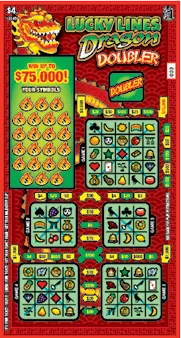
| 46 | 64 | Western Canada (AB, SK, MB) | $4 | $75,000 | 1 in 2.96 | |
| 47 | 64 | Atlantic Canada | $10 | $30,000 | 1 in 1.00 | |
| 48 | 63 | British Columbia | $10 | $1,000,000 | 1 in 3.70 | |
| 49 | 63 | Ontario | $5 | $100,000 | 1 in 3.75 | |
| 50 | 63 | British Columbia | $20 | $150,000 | 1 in 2.50 |




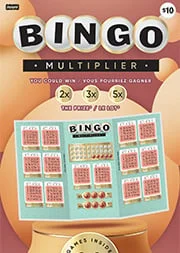

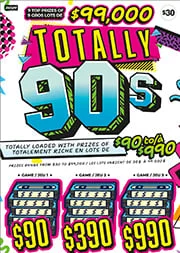
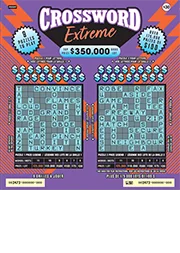
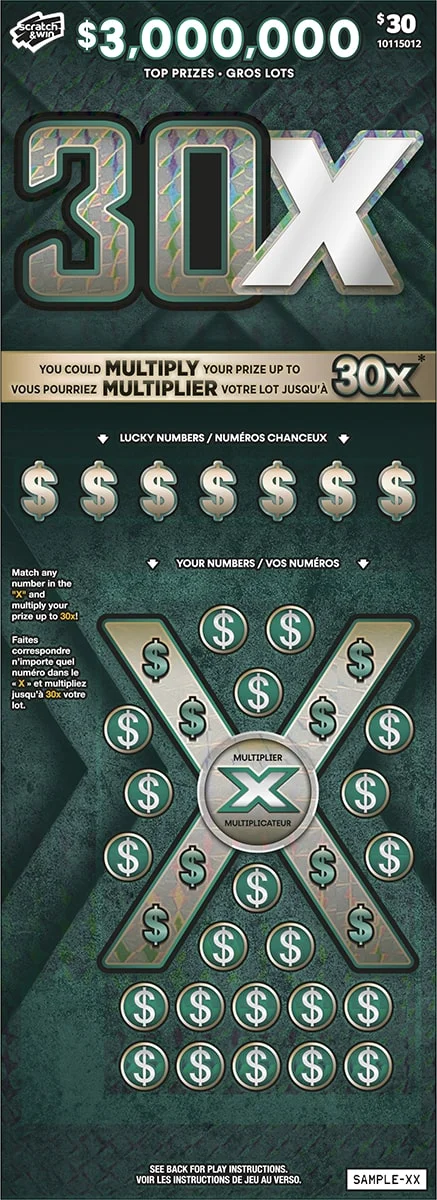

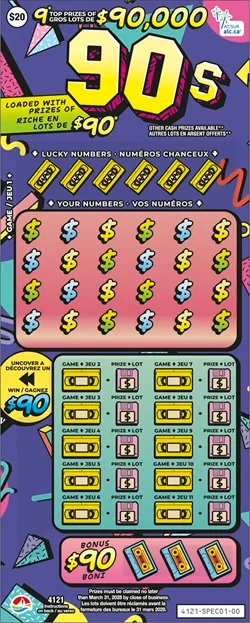

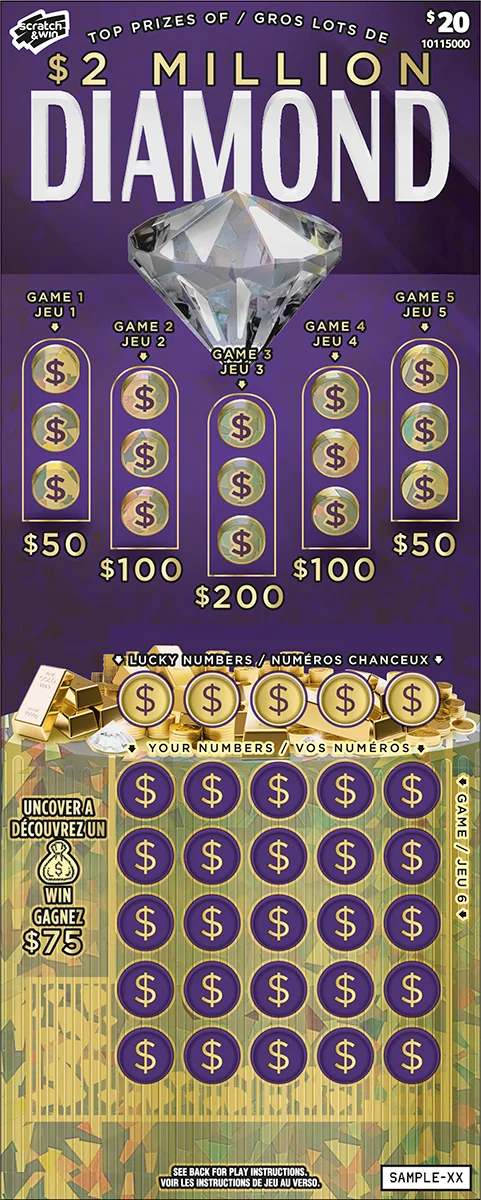
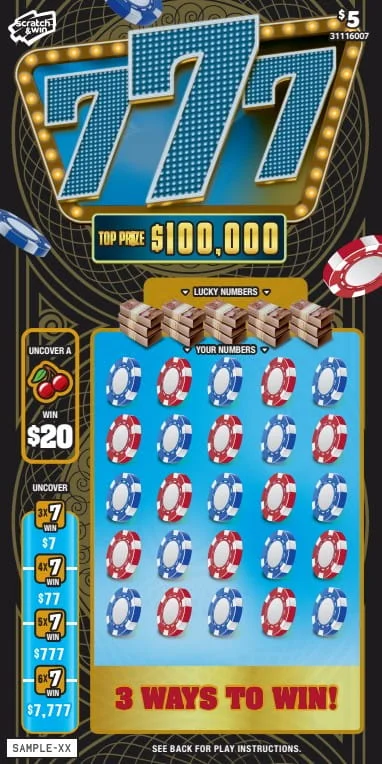
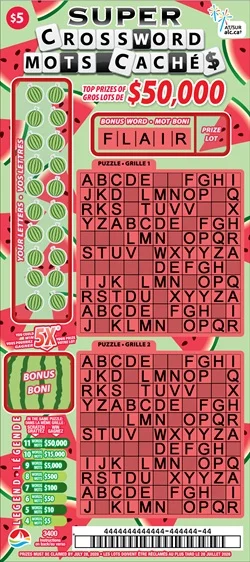
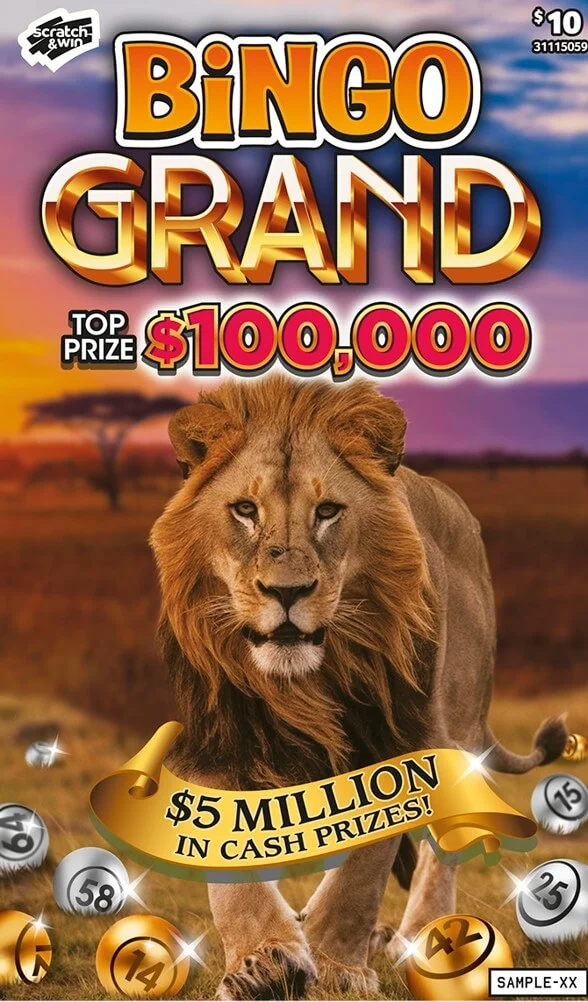

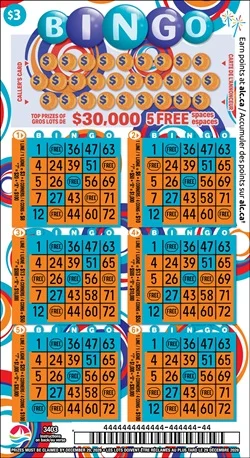
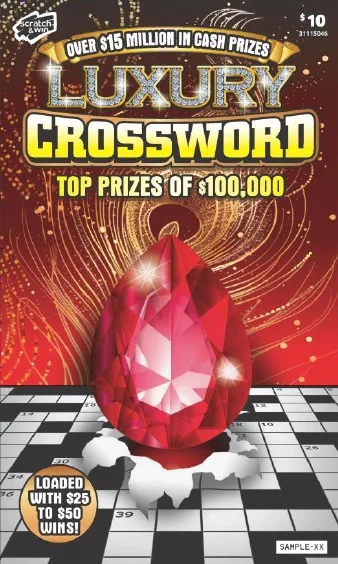
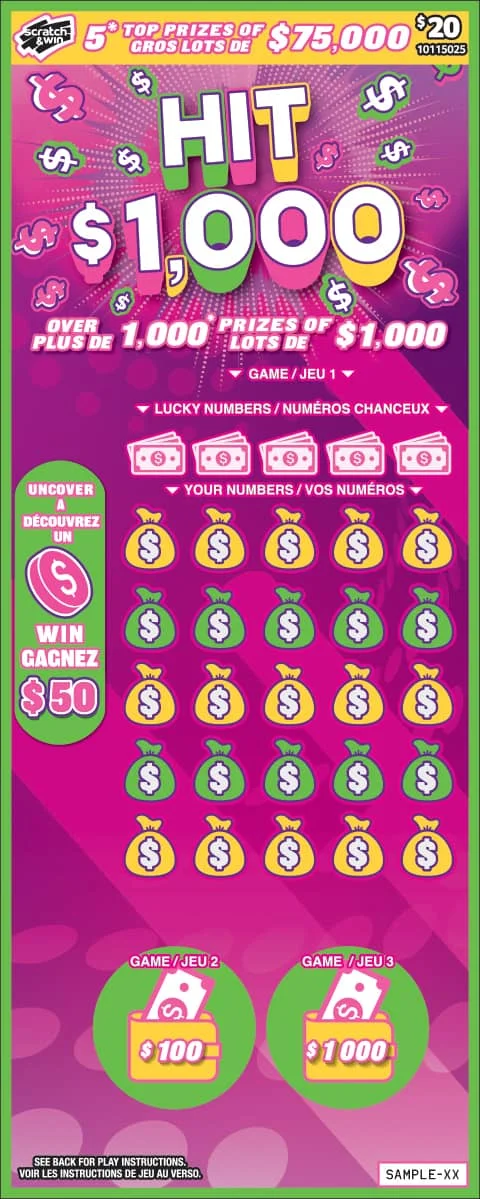



| # | Score | Region | Game | Price | Top Prize | Odds |
|---|---|---|---|---|---|---|
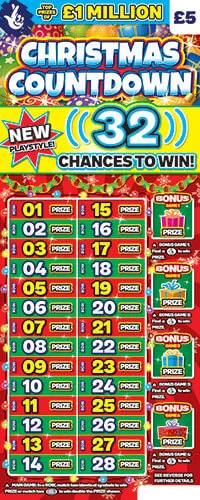
| 1 | 71 | Ireland | $10 | $7,777 | 1 in 3.00 | |
| 2 | 69 | Ireland | $20 | $1,000,000 | 1 in 3.29 | |
| 3 | 65 | Ireland | $10 | $100,000 | 1 in 2.92 | |
| 4 | 64 | Ireland | $20 | $500,000 | 1 in 3.19 | |
| 5 | 62 | Ireland | $20 | $1,000,000 | 1 in 3.29 | |
| 6 | 62 | Ireland | $15 | $500,000 | 1 in 3.20 | |
| 7 | 62 | Ireland | $15 | $300,000 | 1 in 2.92 | |
| 8 | 61 | Ireland | $5 | $50,000 | 1 in 3.11 | |
| 9 | 59 | United Kingdom | $2.50 | $100,000 | 1 in 2.28 | |
| 10 | 59 | Ireland | $10 | $7,777 | 1 in 3.00 | |
| 11 | 59 | United Kingdom | $3 | $10,000 | 1 in 2.34 | |
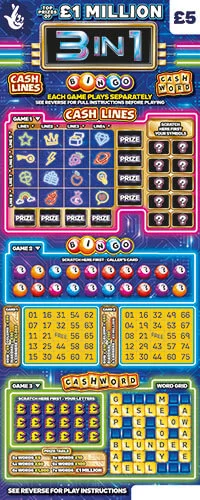
| 12 | 58 | United Kingdom | $5 | $1,000,000 | 1 in 2.34 | |
| 13 | 58 | United Kingdom | $5 | $1,000,000 | 1 in 2.35 | |
| 14 | 57 | United Kingdom | $5 | $1,000,000 | 1 in 2.39 | |
| 15 | 57 | United Kingdom | $5 | $1,000,000 | 1 in 2.43 | |
| 16 | 57 | United Kingdom | $3 | $250,000 | 1 in 2.44 | |
| 17 | 56 | United Kingdom | $5 | $100,000 | 1 in 2.45 | |
| 18 | 56 | United Kingdom | $5 | $1,000,000 | 1 in 2.45 | |
| 19 | 55 | United Kingdom | $5 | $1,200,000 | 1 in 2.45 | |
| 20 | 55 | Ireland | $5 | $50,000 | 1 in 3.54 | |
| 21 | 55 | United Kingdom | $5 | $1,200,000 | 1 in 2.46 | |
| 22 | 54 | United Kingdom | $5 | $1,000,000 | 1 in 2.47 | |
| 23 | 54 | United Kingdom | $5 | $1,000,000 | 1 in 2.47 | |
| 24 | 54 | United Kingdom | $2.50 | $100,000 | 1 in 2.48 | |
| 25 | 53 | Ireland | $10 | $200,000 | 1 in 3.55 | |
| 26 | 53 | United Kingdom | $3 | $300,000 | 1 in 2.49 | |
| 27 | 53 | United Kingdom | $2 | $250,000 | 1 in 2.50 | |
| 28 | 53 | United Kingdom | $5 | $500,000 | 1 in 2.49 | |
| 29 | 52 | United Kingdom | $5 | $500,000 | 1 in 2.50 | |
| 30 | 51 | Ireland | $7 | $150,000 | 1 in 3.49 | |
| 31 | 47 | Ireland | $5 | $200 | 1 in 6.07 | |
| 32 | 47 | Ireland | $10 | $250,000 | 1 in 3.30 | |
| 33 | 47 | United Kingdom | $5 | $1,000,000 | 1 in 2.50 | |
| 34 | 46 | United Kingdom | $5 | $250,000 | 1 in 2.53 | |
| 35 | 46 | United Kingdom | $5 | $1,000,000 | 1 in 2.50 | |
| 36 | 45 | United Kingdom | $2.50 | $200,000 | 1 in 2.54 | |
| 37 | 45 | United Kingdom | $1 | $1,000 | 1 in 2.54 | |
| 38 | 45 | Ireland | $5 | $200 | 1 in 6.07 | |
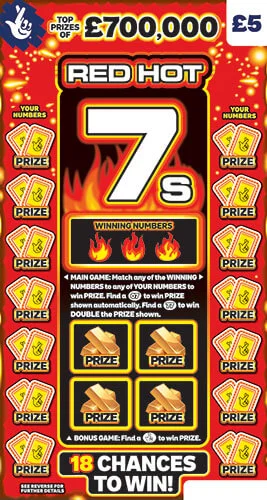
| 39 | 45 | United Kingdom | $5 | $700,000 | 1 in 2.50 | |
| 40 | 45 | United Kingdom | $5 | $500,000 | 1 in 2.55 | |
| 41 | 44 | Ireland | $10 | $200,000 | 1 in 3.55 | |
| 42 | 44 | United Kingdom | $2.50 | $100,000 | 1 in 2.56 | |
| 43 | 44 | Ireland | $5 | $50,000 | 1 in 3.46 | |
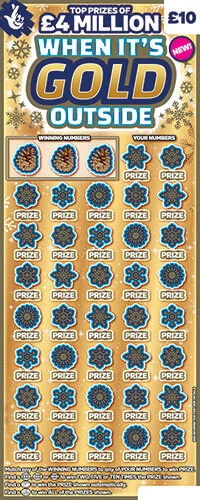
| 44 | 44 | United Kingdom | $10 | $4,000,000 | 1 in 2.50 | |
| 45 | 44 | United Kingdom | $3 | $300,000 | 1 in 2.57 | |
| 46 | 43 | United Kingdom | $5 | $1,000,000 | 1 in 2.58 | |
| 47 | 43 | United Kingdom | $2 | $77,777 | 1 in 2.59 | |
| 48 | 42 | United Kingdom | $5 | $1,000,000 | 1 in 2.60 | |
| 49 | 42 | United Kingdom | $3 | $1,000 | 1 in 2.60 | |
| 50 | 42 | United Kingdom | $1 | $100,000 | 1 in 2.61 |





































How ValueScore is built
ValueScore exists because no single published number captures what a scratch off is actually worth. Overall odds treat a $1 win the same as a $1M win. Expected payout ignores how many top prizes are still in play. Top prizes remaining ignores whether the game pays you anything along the way. ValueScore combines the four signals that actually matter:
- Expected Value. Published per-ticket return based on the full prize structure. The most rigorous single input when data is available.
- Prize Quality. How much of the payout sits in meaningful tiers versus tiny reprints. A game that returns 70% mostly through $1 wins scores worse than a game that returns 65% with a healthy mid-tier.
- Win Frequency. Probability of any prize per ticket. Low frequency drags the score even when EV looks good.
- Inventory Health. Top prizes remaining versus tickets remaining. A game whose top prizes are mostly claimed gets penalized, even if the headline EV is still nominally high.
Scores recompute after every successful data refresh. Most active states update 2 to 3 times per week, so the rankings on this page rarely lag more than a few days behind the official state feeds. Games where the state publishes only partial prize data are flagged "~Est." on the game page; their input values are estimated from industry price-point averages.
Frequently asked questions
What is ScratchCheck ValueScore and how is it calculated?
ValueScore is a single 0 to 100 number that blends four signals into one ranking: Expected Value, Prize Quality, Win Frequency, and Inventory Health. Expected Value is the published per-ticket return. Prize Quality looks at the share of payout concentrated in meaningful prize tiers (not just $1 reprints). Win Frequency rewards games with realistic odds of any win. Inventory Health adjusts for how many top prizes are still on the rack versus how many tickets have been sold. The result is a number you can compare across price points and across states.
What counts as a good ValueScore?
Score bands: 80 and above is Excellent, 60 to 79 is Good, 40 to 59 is Fair, and below 40 is Below Average. Excellent games are rare; today only a small share of scored games clear 80. Use the bands as a sanity check rather than a hard buy line.
Why does ValueScore change over time for the same game?
Two of the four inputs (Win Frequency and especially Inventory Health) move as prizes get claimed. A game that launched at 78 can drift up if smaller prizes get cleaned out faster than top prizes, or drift down if a big prize is claimed and inventory tightens against the player. Rankings recompute after every data refresh, so a game listed at the top last week may have moved.
Which states currently average the highest ValueScores?
Right now the highest-averaging US states (minimum 3 scored games) are Washington DC (avg 63.0), Minnesota (avg 57.9), Idaho (avg 55.1).
How is ValueScore different from overall odds or expected payout?
Overall odds tell you the chance of winning any prize, but treat a $1 win the same as a $1M win. Expected payout is rigorous but ignores prize concentration and remaining inventory. ValueScore is the only single number that captures all four together, which is why two games with the same overall odds can score very differently.
Are ValueScore numbers based on official lottery data?
Yes for the majority of games. ScratchCheck pulls odds and remaining-prize counts from each state lottery several times per week. A minority of states publish only partial prize structures; for those games Expected Value and one or two related inputs are estimated from industry price-point averages and flagged with an "~Est." tag on the game page. Official numbers always take precedence.