Does Seeing the Person Before You Lose Affect Your Scratch-Off Odds?
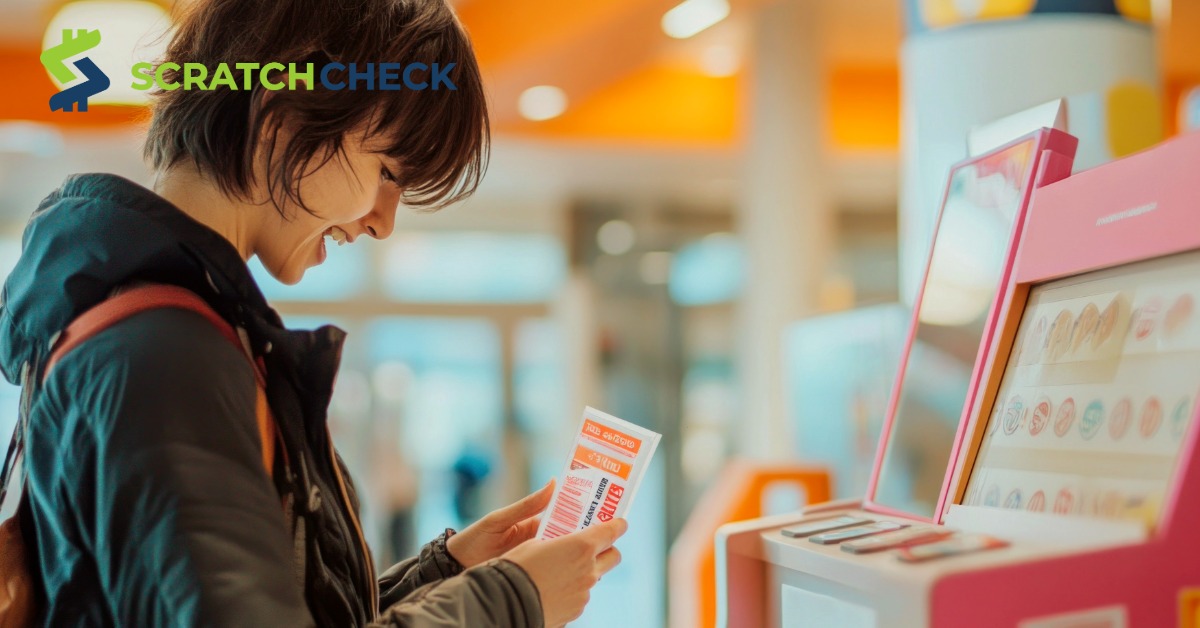
You're at the register. The person ahead of you buys a $20 ticket, scratches it right there, loses, and hands it back. Now it's your turn. Do you buy from the same game? Skip it and ask for something different? Move to the next roll?
Most players have an instinct here. Some avoid the game that just lost, figuring it's "cold." Others feel the opposite: if it just lost, a win must be coming soon. Both instincts feel logical. Neither one holds up mathematically.
Each Ticket Is Independent
The outcome of one scratch-off ticket has no effect whatsoever on the outcome of the next one. This isn't a matter of interpretation or debate. It's how the games are designed.
Winning and losing tickets are distributed randomly throughout a print run of millions of tickets. The ticket before you either was a winner or it wasn't. That result doesn't change the composition of the remaining tickets in the roll or in the game. Every remaining ticket has the same probability of being a winner as it did before that person scratched theirs.
The Iowa Lottery addressed this directly: "Remember that each play in a lottery game is random and the results of prior tickets have no impact on an upcoming play." The Pennsylvania Lottery uses a similar framing, describing the distribution of prizes as random throughout the game with no pattern as to where wins occur.
The Two Instincts, and Why Both Are Wrong
The "cold game" instinct: If someone just lost on that game, maybe the winners are sparse right now. Skip it.
The problem: one losing ticket tells you nothing about the density of winners in the remaining tickets. The game's overall odds haven't changed. The ratio of winners to losers in the remaining print run is essentially identical to what it was before that person played.
The "due for a win" instinct: That game just lost, so a win must be coming up in the next few tickets.
This is the classic gambler's fallacy: the belief that past independent events influence future independent events. A coin that just landed heads ten times in a row is still 50/50 on the next flip. A scratch-off game that just produced three losers in a row is still playing at whatever odds are printed on the back. The game has no memory. It doesn't know it's "due."
What About Buying From the Same Roll?
There's a slightly more nuanced version of this question around rolls specifically. Scratch-off prizes are distributed throughout a fixed print run, not generated randomly at the moment of purchase. This means the tickets in a single roll do have a relationship to each other: they're sequential slices of the same print run.
Does this mean you should avoid a roll after seeing someone lose on it? No. Here's why: you don't know the prize distribution pattern within any specific roll, and neither does anyone else. The prizes aren't clustered at predictable intervals. They're spread throughout the print run in a way designed specifically to prevent players or retailers from identifying winning positions before purchase.
One loss on a roll doesn't tell you where the next winner is, how many are left, or whether the roll is "hot" or "cold." It just tells you that ticket was a loser.
What Actually Does Matter
While the previous player's result doesn't matter, a few things genuinely do affect your odds in ways most players ignore.
How many top prizes are still available. This is the one factor that actually changes your effective odds of winning the jackpot over time. A game that started with 10 top prizes and now has 2 remaining means your chance of hitting the jackpot on any remaining ticket is lower than it was at launch. Not because of any individual player's result, but because the prize pool has depleted. Checking remaining prizes before you buy is the most impactful thing you can do. ScratchCheck tracks this daily for every active game in every state.
Which game you pick. The odds printed on the back of a $20 ticket can vary from 1 in 2.90 to 1 in 4.50 depending on the game, even within the same state. That gap is real and it compounds over time. Picking the right game matters far more than picking the right position on the roll.
Whether the game is still alive. About 10% of scratch-off games on store shelves at any given time have zero top prizes remaining. The overall odds are the same as always for small wins, but the jackpot is gone. Watching someone lose on a game with no top prizes left is just confirmation of something that was already true before they scratched.
The Short Answer
Buy from the same game if it's a good game. Skip it if it's a bad game. The previous player's result has nothing to do with either decision. What matters is whether the game has strong odds, healthy prize depth, and top prizes still available, none of which is affected by the person who played before you.
Two minutes on ScratchCheck before you walk in tells you all of that. The lottery result of the person in line ahead of you tells you nothing.
Compare scratch-off odds and remaining prizes for every active game in your state at ScratchCheck.com
Frequently Asked Questions
Are scratch-off tickets influenced by previous results?
No, scratch-off tickets are not influenced by previous results. Lottery outcomes are random, and each ticket has the same probability regardless of what happened before.
Is a scratch-off ticket “due” for a win after a losing streak?
No, this is known as the gambler’s fallacy. Scratch-off games do not have memory, and a series of losses does not increase the chances of a future win.
Should I avoid buying from the same roll after someone loses?
No, one losing ticket does not reveal anything about the remaining tickets in the roll. The odds remain the same regardless of previous outcomes.

Phil Nageotte is a writer covering scratch-off odds, expected value, prize data, and more. He joined ScratchCheck in 2026 after years of tracking lottery payouts in spreadsheets of his own.