
A Florida Store Worker Allegedly Stole 456 Scratch-Offs and Scanned Them for Winners
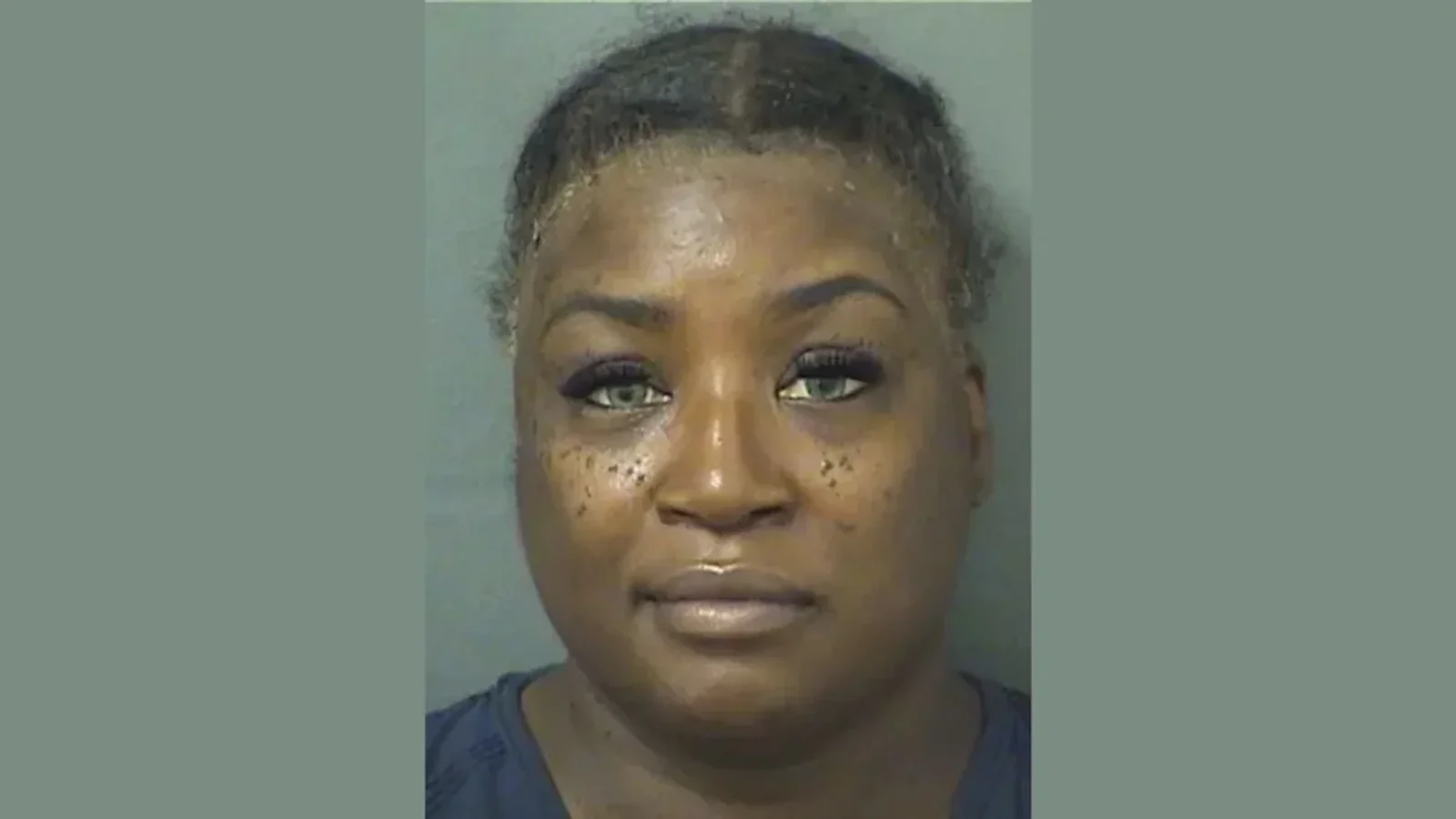
Photo Credit: Palm Beach County Sheriff's Office.
A Florida grocery store employee has been charged with stealing hundreds of scratch-off tickets and using the state lottery's own app to sort the winners from the losers. According to authorities, Essie Latrell Davis, 45, of West Palm Beach allegedly took 456 individual tickets and 12 full booklets from the Winn-Dixie where she worked in Palm Beach Gardens, scanned them to find the winners, and cashed the good ones at nearby stores. She was booked on June 23, 2026 on charges of grand theft and organized fraud. The allegations have not been proven in court.
What Investigators Say Happened
Between late July and mid-September 2025, Davis allegedly removed tickets from the lottery dispenser at the Winn-Dixie, a few at a time and sometimes by the full booklet, according to investigators who reviewed store surveillance. Prosecutors say she scanned the stolen tickets with the Florida Lottery mobile app to identify which ones were winners, then redeemed the winning tickets at multiple Publix locations in West Palm Beach. The winning tickets were worth $39,128, while the store's total loss, counting the worthless tickets she is alleged to have taken, came to $32,506. Bond was set at $20,000 per count.
The Retailer Side of the Loss
Cases like this are also a reminder of how thin the margins are on the retail side of the lottery. Stores take on scratch-off inventory and answer for it, so a clerk who walks off with 456 tickets creates a real loss on the books. That is why lotteries and retailers lean on surveillance, activation records, and validation logs to catch exactly this pattern. We broke down that economics in how lottery retailers get paid. The same validation system that lets you check a ticket also leaves a trail showing where and when every winning ticket was activated and redeemed, which is usually how these schemes come apart.
For an ordinary player, none of this changes anything about the games on the shelf. Your odds are your odds, the app is a convenient and legitimate way to check a ticket you actually bought, and the security built into every ticket is the reason a scheme like this one tends to end in an arrest report rather than a quiet payday. The Florida tickets on the counter are the same bet they were last week. The only thing that changed is one more reminder that the system tracks every ticket from the printing plant to the moment it is cashed, as closely as any player ever watches the odds.
Frequently Asked Questions
What is the Florida Winn-Dixie lottery theft case about?
Authorities charged Essie Latrell Davis, 45, of West Palm Beach with grand theft and organized fraud, alleging she took 456 scratch-off tickets and 12 booklets from her Winn-Dixie employer between July and September 2025, scanned them for winners, and cashed about $39,128 at other stores. The charges have not been proven in court.
Can you really scan a scratch-off to see if it is a winner?
Yes. Official state lottery apps let you scan a ticket's barcode to check whether it won, which is the legitimate way to verify a ticket you already own. The issue in this case was that the tickets were allegedly stolen rather than purchased.
Does scanning a ticket let someone pick winners before buying?
No. A scratch-off's outcome is set when the ticket is printed, and the barcode only confirms a result that already exists. Scanning can read a winner, not predict one, which is why this case is theft of inventory rather than a way to beat the game.

Jessie Jurado is a news writer who covers new scratch-off launches, state lottery guides, taxes on winnings, news, and much more. She joined ScratchCheck in 2026 and writes the site's state-by-state coverage.
Related Articles

Louisiana's four new scratch-offs hand out a free ticket on about 1 in 10 plays
Oct 13, 2026, 1:13 PM EDT
Minnesota's new $20 Mystery Prize Crossword wins 1 in 2.76 times and launches as the state's top-rated game
Oct 12, 2026, 12:46 PM EDT

Rhode Island's four new holiday scratch tickets all pay back 70.1%, even the $1 one
Oct 10, 2026, 5:26 PM EDT