What's the Best Time of Day to Buy Scratch-Offs?

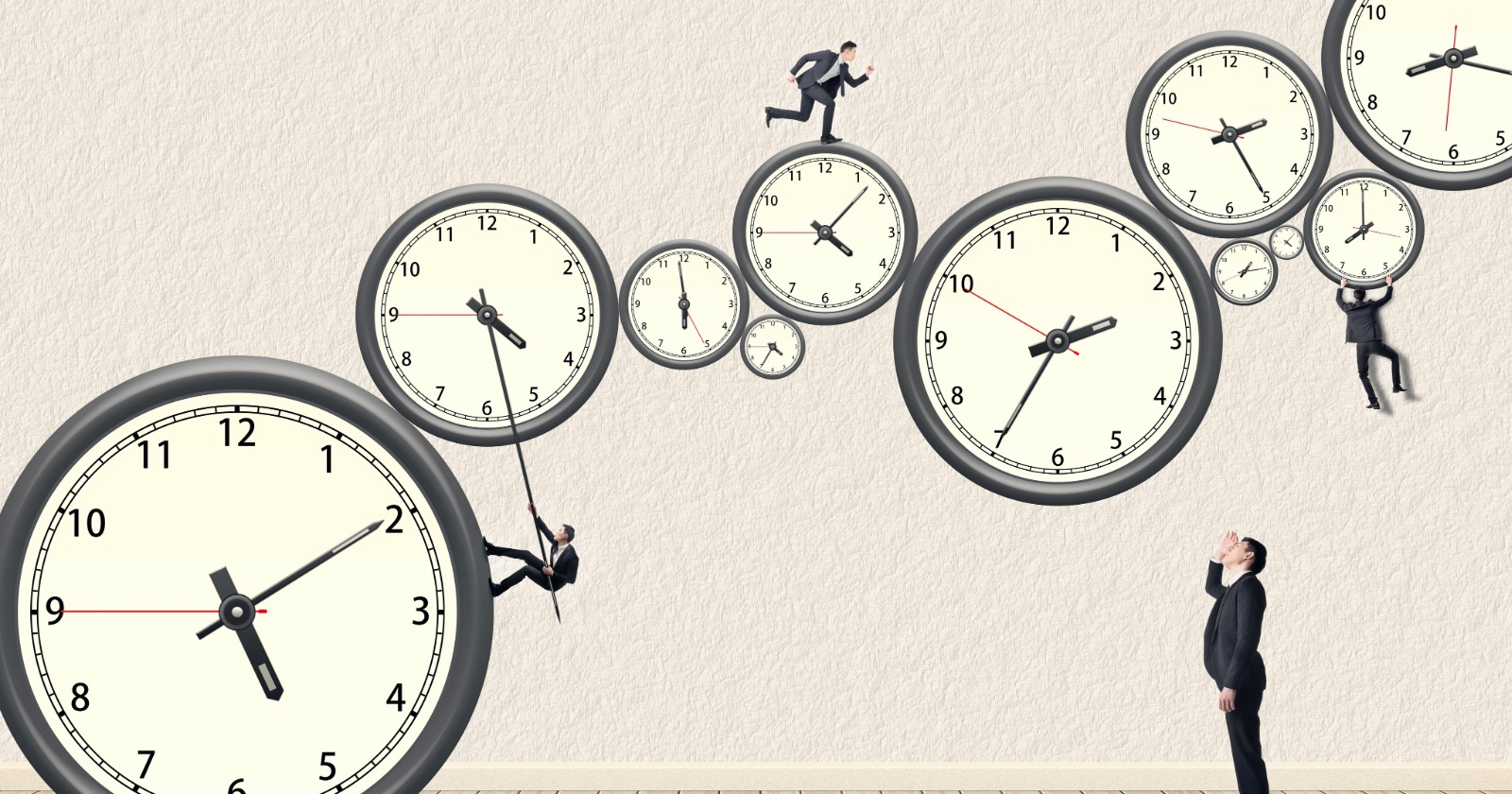
There is no best time of day to buy a scratch-off, because the outcome of every ticket was locked in at the printing factory long before the ticket reached the store. Whether you buy at 8 a.m. or 8 p.m., on a Monday or a Saturday, at the start of the month or the end, the result under the latex is already decided. The clock cannot touch it. There is a timing question that genuinely matters, but it has nothing to do with the time of day.
Why the Clock Does Nothing
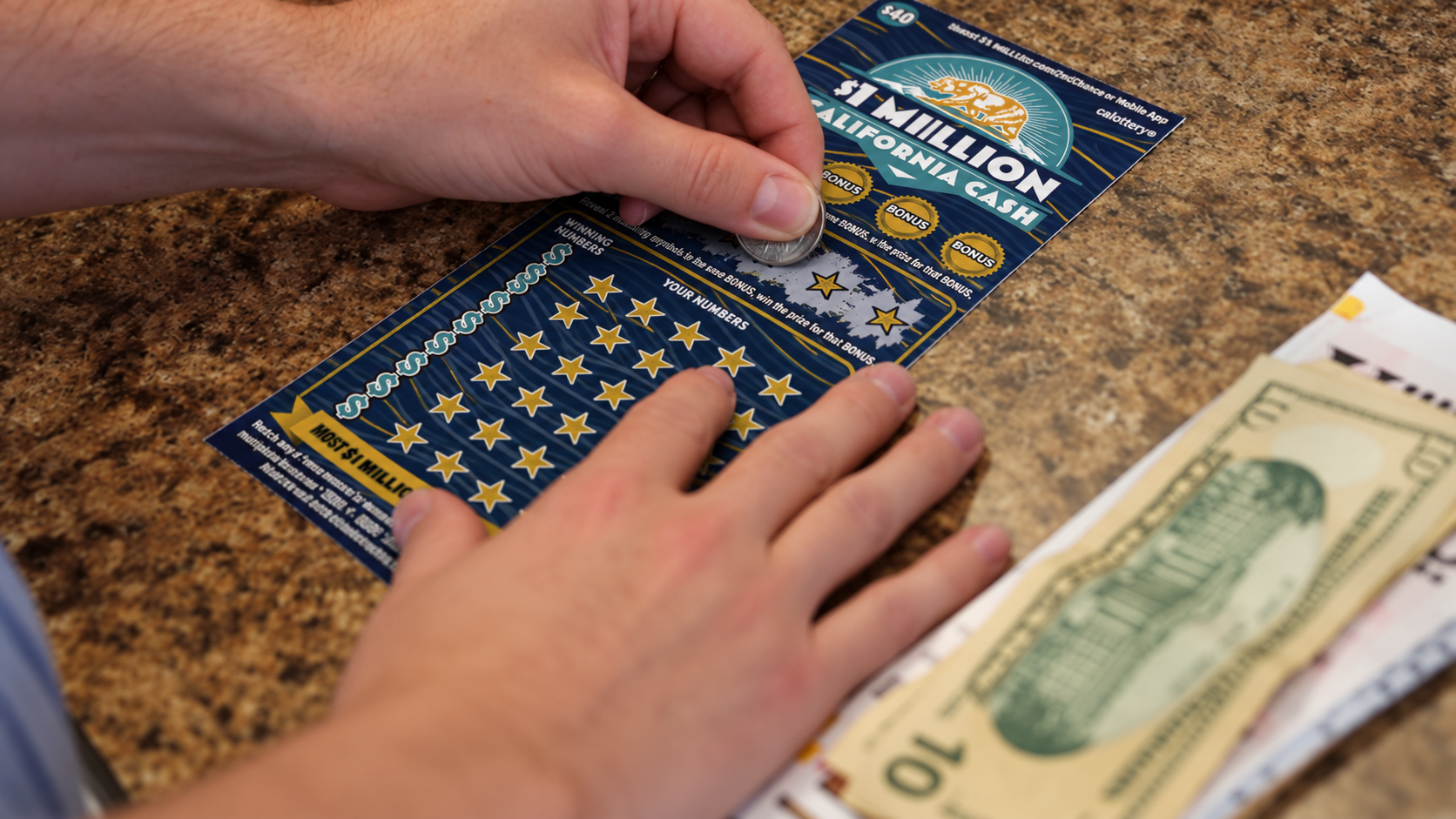
A scratch-off game is a fixed print run. When the game is manufactured, a set number of winning and losing tickets are printed and shuffled across the entire run. The ticket you pick up was a winner or a loser before it left the factory, before it shipped, before the store opened that morning. Buying it at a particular hour does not reach back in time and change what was printed.
This is the same reason the other timing myths fail. There is no lucky hour, no best day of the week, no advantage to buying right after a restock or right before close. Each of those ideas imagines you are influencing a live outcome. You are not. You are revealing a result that was set weeks ago.
Where the "Best Time" Myths Come From
Survivorship stories. Someone wins big on a Friday night, tells the story, and a pattern is born. Nobody counts the thousands of Friday-night losers, so the win looks like the hour mattered. It did not.
Restock thinking. People assume a fresh roll is more likely to hold a winner, or that an old roll is overdue. Both are wrong. Winners are distributed across the whole run, and a roll is never due. Each ticket is independent of the ones before it.
End-of-month hope. The idea that lotteries seed more winners at certain times to hit sales targets does not match how fixed print runs work. The prize structure was set when the game was designed and does not get adjusted by the calendar.
The Timing That Actually Matters
The one fact about a scratch-off game that genuinely changes over time is how many prizes are still unclaimed. As tickets sell, prizes get claimed, and a game that launched with five top prizes can quietly drop to zero while still selling at full price. That shift is not about the hour of the day. It is about where the game is in its life.
So the useful timing move is to check updated remaining-prize data right before you buy, not to pick a magic hour. A game with its top prizes intact is a better buy than the same-priced game next to it whose big prizes are already gone. That is the only edge that timing offers, and it is information, not a clock trick. You can see which games still have their top prizes on the top prizes remaining page and which have been drained on the top prizes gone page.
The Bottom Line
No hour, day, or week makes a scratch-off more likely to win, because the result was fixed at printing. The only timing that helps is checking the current prize pool before you buy, so you are not paying full price for a game whose best prizes are already claimed. The ValueScore rankings fold remaining prizes, payout rate, and overall odds into one number, so you can find the strongest game available right now instead of waiting for a lucky time that does not exist. For more on why the outcome is locked in, see what is the trick to winning scratch-offs.
Frequently Asked Questions
Is there a best time of day to buy scratch-off tickets?
No. A scratch-off’s outcome is set when the ticket is printed, so the time of day, day of week, or time of month you buy does not change your odds. Any pattern people notice is coincidence, not a real edge.
Do scratch-off odds change throughout the day?
No. Printed odds reflect the full print run and do not move based on the clock. The only thing that genuinely changes over time is how many prizes remain unclaimed in a game, which updates as tickets sell, not by hour.
Does timing matter at all when buying scratch-offs?
Only in one sense: checking updated remaining-prize data before you buy. A game with its top prizes still unclaimed is a better buy than the same-priced game whose big prizes are gone, and that information changes as prizes are claimed.

Phil Nageotte is a writer covering scratch-off odds, expected value, prize data, and more. He joined ScratchCheck in 2026 after years of tracking lottery payouts in spreadsheets of his own.