What the Codes on the Back of a Scratch-Off Ticket Mean
The codes on the back of a scratch-off ticket are inventory and security markers, not clues about whether the ticket wins. They tell the lottery which pack the ticket came from, where it sits in that pack, and how to confirm a prize claim is legitimate. Players sometimes hope one of these codes reveals a hidden prize before scratching. On modern games it does not, and understanding what each marking is actually for makes that clear.
Flip a ticket over and you will usually see a long string of digits, a barcode, and one or two shorter codes. Each serves a separate purpose in a system built to track millions of tickets and to catch fraud, not to give buyers an edge.
The Pack (or Book) Number and Ticket Number
Lottery tickets ship to retailers in packs, also called books. Every pack has its own number, and every ticket within the pack has a sequential position. So the long number on the back typically encodes the game, the pack, and the ticket's place in that pack. This is how a retailer activates a pack when it arrives, how the lottery knows which tickets are in circulation, and how the system tracks the chain of custody from the printer to the store.
This number is genuinely useful to the lottery's accounting, but it says nothing about the prize on your specific ticket. A pack contains a mix of winners and non-winners distributed across the run. Knowing you hold ticket 042 in pack 3815291 does not tell you, or anyone at the counter, what is under the latex. For more on why ticket order does not behave the way intuition suggests, see our piece on whether scratch tickets are actually random.
The Barcode the Retailer Scans
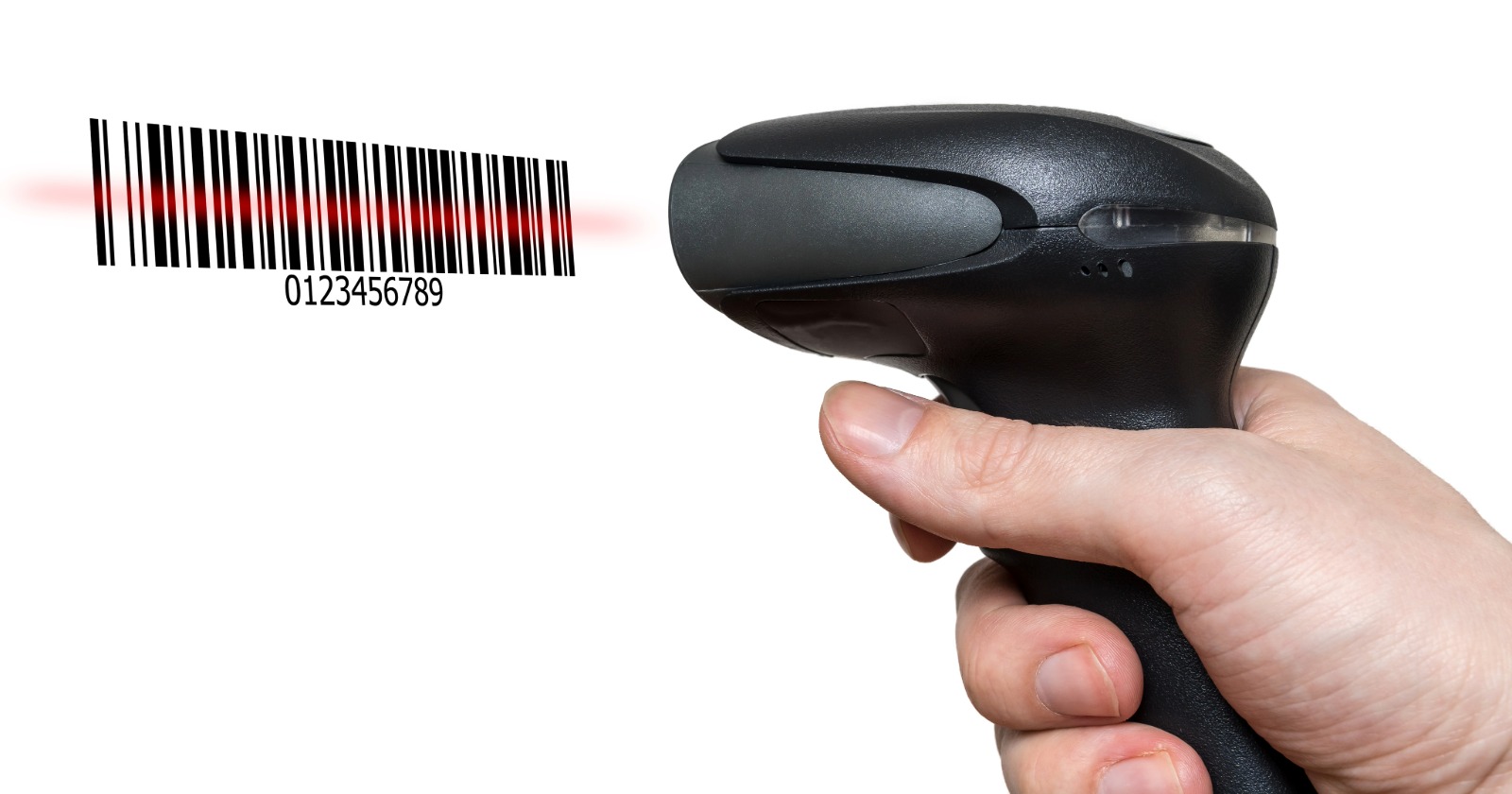
The barcode (and on many tickets a second smaller barcode) is what the clerk's terminal reads when you hand a ticket over to check it. Scanning pulls up the ticket's status in the lottery's central system, which is the authority on whether it won and for how much. The barcode itself is just a machine-readable version of the ticket's identifying numbers. It is not a prize indicator you can decode by eye.
This is also why checking at the counter, through the lottery's official app, or on its website is the only reliable way to confirm a win. The terminal and the app both query the same validation system. If you want the full rundown on the digital options, we covered whether you can check scratch-offs online separately.
The Validation and Security Code
Most tickets also carry a validation code, sometimes called a security code. This is the code the lottery uses to confirm that a ticket presented for payment is real and has not already been claimed or tampered with. On larger prizes it is part of the verification a claims office runs before paying out.
The key point: this code exists for the lottery's benefit, not the player's. It is designed to be hard to forge and to match records the lottery already holds. It does not encode the prize amount in a way a buyer can read, and trying to interpret it will not tell you whether a ticket is a winner. We dug into one frequently misunderstood marking in this number on the back of the ticket, which is worth a read if you have ever wondered what a specific string was for.
The Myth of the Readable Letter Code
Here is where a long-running belief comes from. On some older games, and on certain low-price tickets, a short letter code historically corresponded to a small prize tier. The idea was that a three-letter abbreviation might stand for a low-dollar value, so a worker handling tickets could quickly sort small winners. That practice is the seed of the rumor that you can read a code and know the prize.
On modern games this does not work, for a few concrete reasons:
- Where a prize-related code exists, it is now typically encrypted or scrambled rather than a plain abbreviation anyone can interpret.
- On many tickets the relevant code sits under the scratch coating, so it is not visible on a ticket sitting on the rack anyway.
- Plenty of current games simply do not use a human-readable prize code at all.
In other words, even in the cases where a letter or short code once meant something, the lottery has spent years closing exactly the loophole the rumor describes. You cannot stand at a display, glance at the backs of unsold tickets, and pick out winners. If that were possible, the games would not survive a single print run.
What to Do Instead
If you want to know whether a ticket won, there is one dependable path: let it be checked against the lottery's validation system. Hand it to the retailer to scan, use the official state lottery app, or enter it on the lottery's website. Those all reach the same source of truth. Reading the codes yourself, or buying a ticket because its back looked a certain way, is not a strategy. It is a misunderstanding of what the markings are for.
The practical takeaway: treat the pack number, ticket number, barcode, and validation code as the lottery's bookkeeping and anti-fraud tools, because that is what they are. They keep the games honest and the inventory tracked. They do not give you a way to beat a game whose outcome was fixed the moment the ticket was printed.
Sources
Frequently Asked Questions
Can you tell if a scratch-off is a winner from the codes on the back?
No. The pack number, ticket number, barcode, and validation code are inventory and security markings. None of them reveal the prize. The only reliable check is the retailer terminal or the lottery's official app or website.
What is the validation or security code for?
It lets the lottery confirm a ticket is genuine and has not already been claimed when a prize is paid. It exists for the lottery's verification, not for players, and it does not encode a readable prize amount on modern games.
Did letter codes on tickets ever indicate a prize?
On some older or low-price games a short letter code historically corresponded to a small prize tier. Modern games encrypt that code, hide it under the scratch coating, or omit it entirely, so it cannot be read off the rack.

Phil Nageotte is a writer covering scratch-off odds, expected value, prize data, and more. He joined ScratchCheck in 2026 after years of tracking lottery payouts in spreadsheets of his own.