
South Carolina convenience store worker charged in alleged lottery ticket fraud
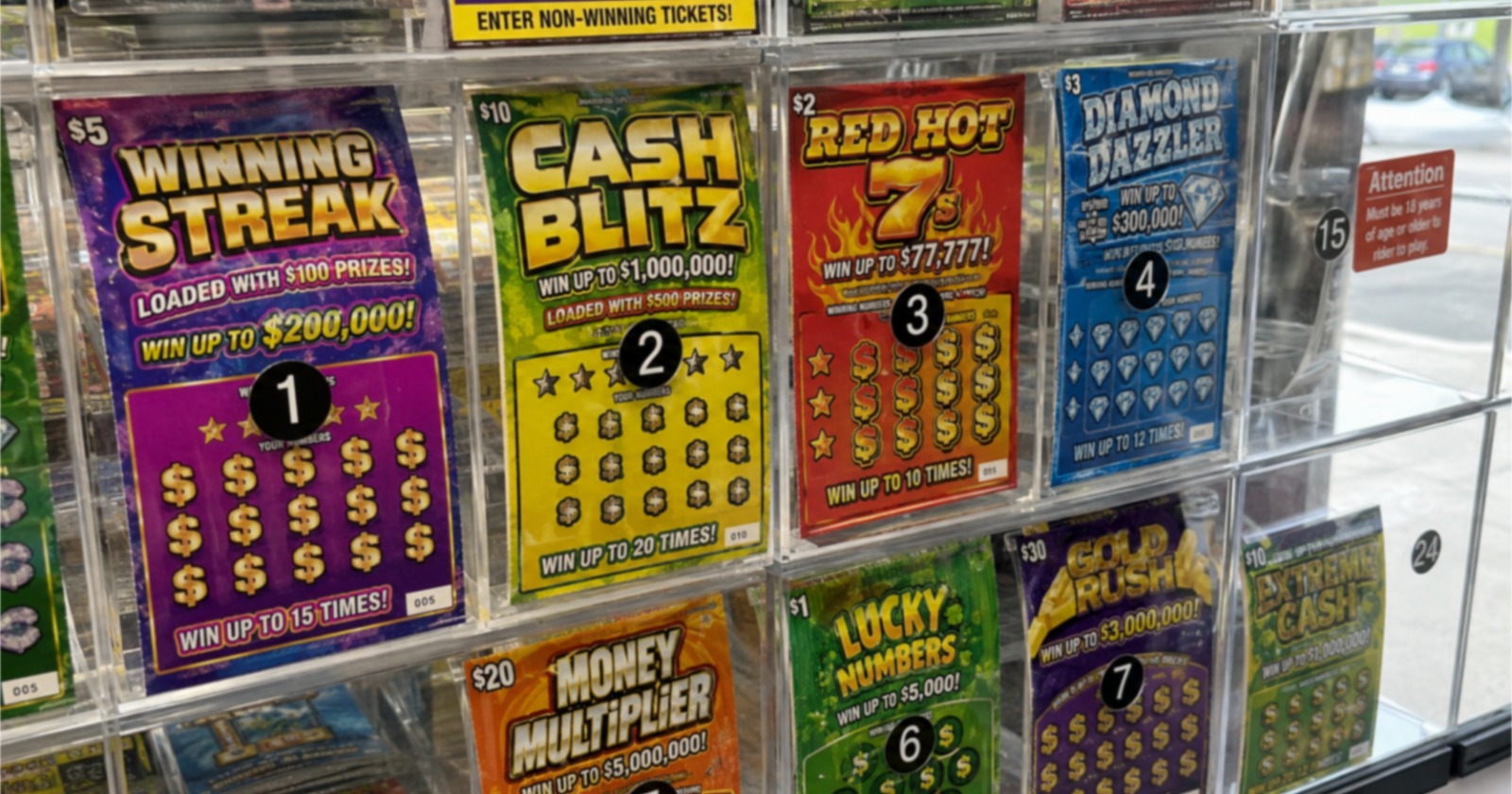
A 19-year-old who worked at a Circle K in Charleston has been arrested and charged over alleged ticket fraud. Kelis Cordasha Haynes was arrested on August 18 and charged with three counts of intent to defraud, counterfeit game tickets, following an investigation by the State Law Enforcement Division that the South Carolina Education Lottery requested.
Investigators allege that on February 16, February 24, and February 25 she took South Carolina Education Lottery tickets while working at the Circle K on Sam Rittenburg Boulevard and cashed them for money. Investigators say the conduct was captured on the store's video surveillance. She was booked into the Sheriff Al Cannon Detention Center, and the case is to be prosecuted by the Ninth Circuit Solicitor's Office. The charges are allegations. Haynes has not been convicted of anything, and she is entitled to the presumption of innocence.
What the charge carries
The offense sits in the South Carolina Education Lottery Act at Section 59-150-260, and the state wrote it as a felony. The text is direct: a person who, with intent to defraud, "falsely makes, alters, forges, utters, passes, or counterfeits a state lottery game ticket is guilty of a felony and, upon conviction, must be fined not more than fifty thousand dollars or imprisoned not more than five years, or both."
That is per count, and three counts have been filed. The same section adds a consequence that outlasts any sentence: anyone convicted under it cannot receive a South Carolina lottery prize, or any portion of one, and is permanently ineligible for employment by the lottery commission.
Why the lottery has its own investigators
The South Carolina Education Lottery asked SLED to investigate, which is how most retailer-side lottery cases begin. Lotteries run security divisions precisely because their product is bearer paper sitting on a counter in tens of thousands of shops, and every one of those counters is staffed by somebody the lottery does not employ.
It is the same pressure point behind license actions elsewhere. Texas saw a run of retailers surrendering their licenses rather than face proceedings, and every state can pull a retailer's license, which for a convenience store means losing both the commission and the foot traffic that lottery brings.
South Carolina has an added incentive to police it. The Education Lottery exists to fund scholarships and school programs, so money taken from the system comes out of that, which we looked at nationally in how much state lotteries actually give schools.
Sources
WCIV ABC News 4: Circle K worker charged in alleged lottery ticket fraud at Charleston store
South Carolina Code Section 59-150-260: counterfeiting of lottery tickets
Frequently Asked Questions
What is the charge in the Charleston lottery ticket case?
Three counts of intent to defraud, counterfeit game tickets, under South Carolina Code Section 59-150-260. Kelis Cordasha Haynes, 19, was arrested on August 18, 2026 following a State Law Enforcement Division investigation requested by the South Carolina Education Lottery. The charges are allegations and have not been proven in court.
What penalty does that charge carry in South Carolina?
It is a felony. On conviction the statute allows a fine of up to $50,000 or imprisonment of up to five years, or both, per count. A conviction also permanently bars the person from receiving any South Carolina lottery prize and from working for the lottery commission.
Can a store clerk steal a customer’s winning ticket?
It is a different scenario from this case, which concerns tickets alleged to have been taken from the store itself, but clerk-side fraud against customers does happen elsewhere. The protections are simple: sign the back of a ticket as soon as you buy it, check it yourself with a kiosk or the lottery app before handing it to anybody, and never pass an unsigned ticket across a counter.

Jessie Jurado is a news writer who covers new scratch-off launches, state lottery guides, taxes on winnings, news, and much more. She joined ScratchCheck in 2026 and writes the site's state-by-state coverage.
Related Articles
South Carolina Circle K worker accused of cashing lottery tickets he never paid for
Oct 14, 2026, 12:11 PM EDT

Louisiana's four new scratch-offs hand out a free ticket on about 1 in 10 plays
Oct 13, 2026, 1:13 PM EDT
Minnesota's new $20 Mystery Prize Crossword wins 1 in 2.76 times and launches as the state's top-rated game
Oct 12, 2026, 12:46 PM EDT