
Circle K, two former employees, and a customer all claim the same $12.8 million winning lottery ticket
See more of our coverage in your search results.
The fight over a $12.8 million Arizona Lottery ticket is headed for trial. On Friday, a Maricopa County Superior Court judge put six of seven counterclaims against Circle K on hold and ruled that the court has to settle who owns the ticket before anything else. Three different sides want the prize. Circle K, two former employees, and the customer who asked for the tickets but couldn't pay for all of them. The Arizona Lottery is holding the prize.
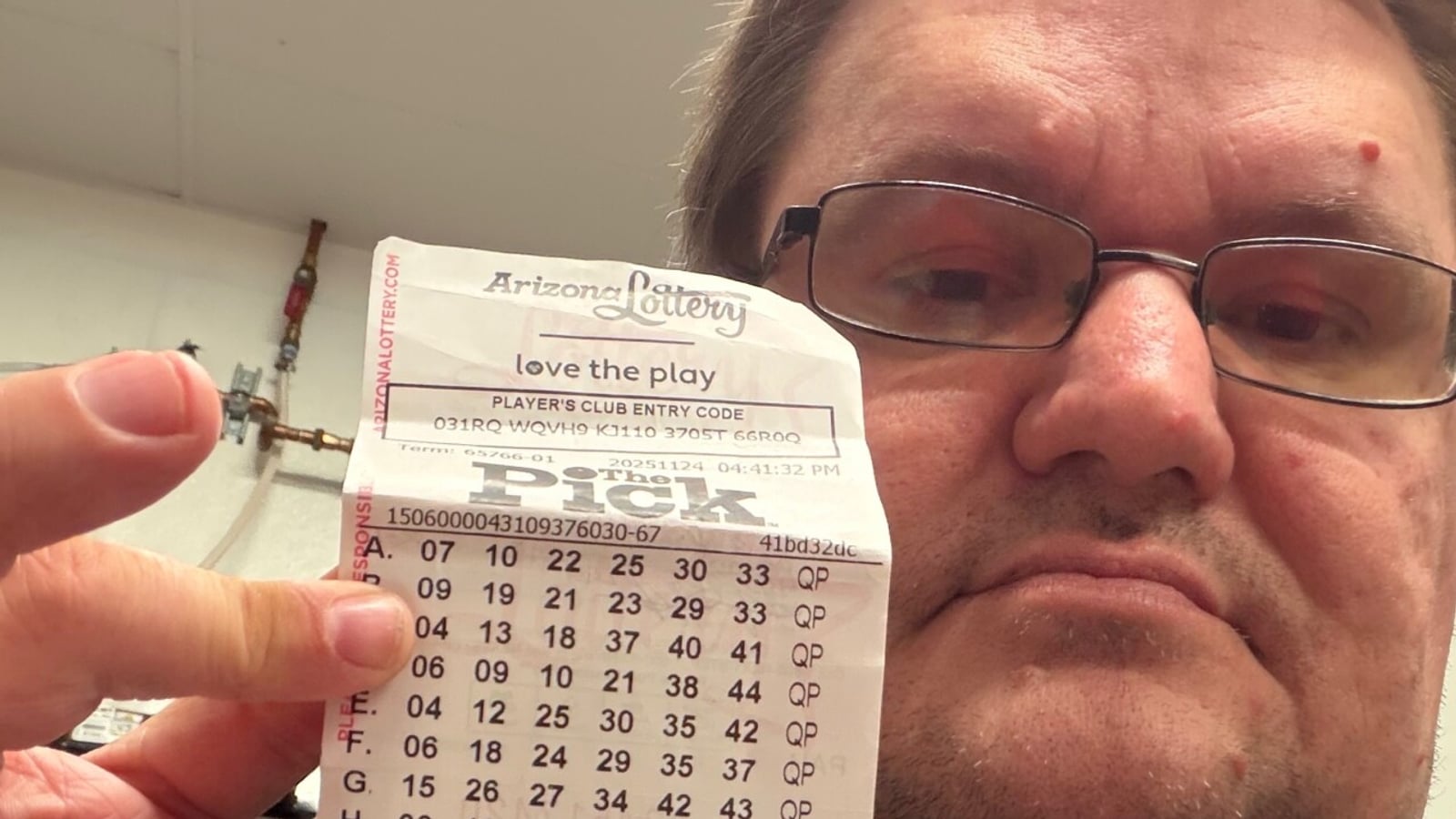
The ticket dates to November 24, 2025. According to Circle K's complaint, a customer at the store at 56th Street and Bell Road asked for $85 worth of The Pick tickets at $1 each, but paid for only $60. The other 25 tickets were set aside and never sold. The next day, the complaint says, store manager Robert Gawlitza realized one of them had hit the jackpot, clocked out, took off his uniform, and had a coworker, Marline Ybarra, ring up all the leftover tickets for him. Our July story has his account of that morning.
| Date | What happened |
|---|---|
| November 24, 2025 | 25 leftover The Pick tickets set aside; one hits the $12.8 million jackpot |
| January 2026 | Circle K fires Gawlitza |
| Earlier in 2026 | Circle K sues, asking a judge to decide whether the ticket was legally sold |
| Before May 23, 2026 | A judge extends the ticket's claim deadline at Circle K's request |
| November 6, 2026 | Judge pauses six of seven counterclaims; ownership goes to trial |
| December 4, 2026 | Briefs due on whether a jury or the judge decides the case |
| December 15, 2026 | Hearing on the jury question |
Circle K's case rests on an Arizona Lottery rule. Under Arizona Administrative Code R19-3-213, if a retailer prints a draw game ticket a player refuses, and the retailer doesn't resell it, “the Lottery shall deem the draw Game ticket to be owned by the retailer.” Gawlitza's side says the leftover tickets were sold to him, as company practice called for. His attorney, Josh Kolsrud, has said Circle K had an unwritten policy that made employees pay for accidentally printed tickets worth more than $20, as a penalty for the mistake, and that Gawlitza followed it while clocked out and got a receipt. Gawlitza and Ybarra had planned to split the prize evenly.
Kolsrud, who represents both of them, filed seven counterclaims against Circle K, including unjust enrichment, conversion, and breach of contract. Circle K asked the judge to throw them all out. The judge refused, but paused six of the seven, saying none can go forward unless Gawlitza and Ybarra are found to own the ticket. “And from my view there’s no reason to dive into trying to resolve counterclaims or litigate counterclaims when the central issue here is who owns the ticket,” the judge said. Kolsrud called it “a very wise decision,” and lawyers for Circle K and the customer told the judge they agreed with the plan.
Joshua Carden, an employment attorney who isn't involved in the case, said Gawlitza texted his supervisor asking whether he could buy the tickets and was told yes. Carden said Arizona's at-will employment law sets a high bar for a wrongful-firing claim. “But firing you because I'm jealous that you won the lottery and I didn't, technically not illegal,” he said. Whether Gawlitza's firing claims go anywhere now depends on the ownership ruling.
The next fight is over who decides. The judge ordered both sides to file briefs by December 4 on whether a jury or the judge should hear the case. Circle K and the customer's lawyer say there is no right to a jury, and Kolsrud says there may be. The judge will take up that question at a hearing on December 15. Circle K did not immediately respond to requests for comment Friday.
Other store cases have involved stolen or skimmed tickets, like a Circle K clerk in South Carolina accused of cashing tickets he never paid for. This one is different. Nobody disputes that the ticket was printed by mistake. The fight is over whether a manager could buy it afterward, and how tickets move through a store matters to that answer.
Sources
AZFamily: Court to hear Circle K, ex-Scottsdale manager's $12.8M lottery ticket fight
12News: $13 million lottery ticket fight heads for trial
Arizona Administrative Code R19-3-213: Ticket sales to players
Found this article useful?
Add ScratchCheck as a preferred source on Google to see our articles first.
Frequently Asked Questions
Who owns the $12.8 million Circle K lottery ticket?
A court hasn't decided. On November 6, 2026, a Maricopa County judge ruled that ownership must be settled first. Circle K, former manager Robert Gawlitza and coworker Marline Ybarra, and the customer all claim it, and the Arizona Lottery is holding the prize.
What Arizona rule is Circle K relying on?
Arizona Administrative Code R19-3-213 says that if a retailer prints a draw game ticket the player refuses and doesn't resell it, the Lottery treats the ticket as owned by the retailer. Gawlitza says he bought the leftover tickets for $10 under company practice.
What happens next in the Circle K lottery ticket case?
Both sides must file briefs by December 4, 2026, on whether a jury or the judge should decide who owns the ticket. The judge will hear arguments on that question on December 15. Circle K and the customer say there is no right to a jury.

Jessie Jurado is a news writer who covers new scratch-off launches, state lottery guides, taxes on winnings, news, and much more. She joined ScratchCheck in 2026 and writes the site's state-by-state coverage.
Related Articles

Rhode Island's two new scratch tickets have just two top prizes each
Nov 8, 2026, 12:57 PM EST

South Carolina's new holiday scratch-offs put a $10 game at #1 in the state
Nov 6, 2026, 3:40 PM EST

Montana Millionaire sales restart November 12, with extra instant prizes added to make up for the opening-day glitch
Nov 6, 2026, 12:27 PM EST