
Indiana Lottery expects to send nearly $350 million back to the state
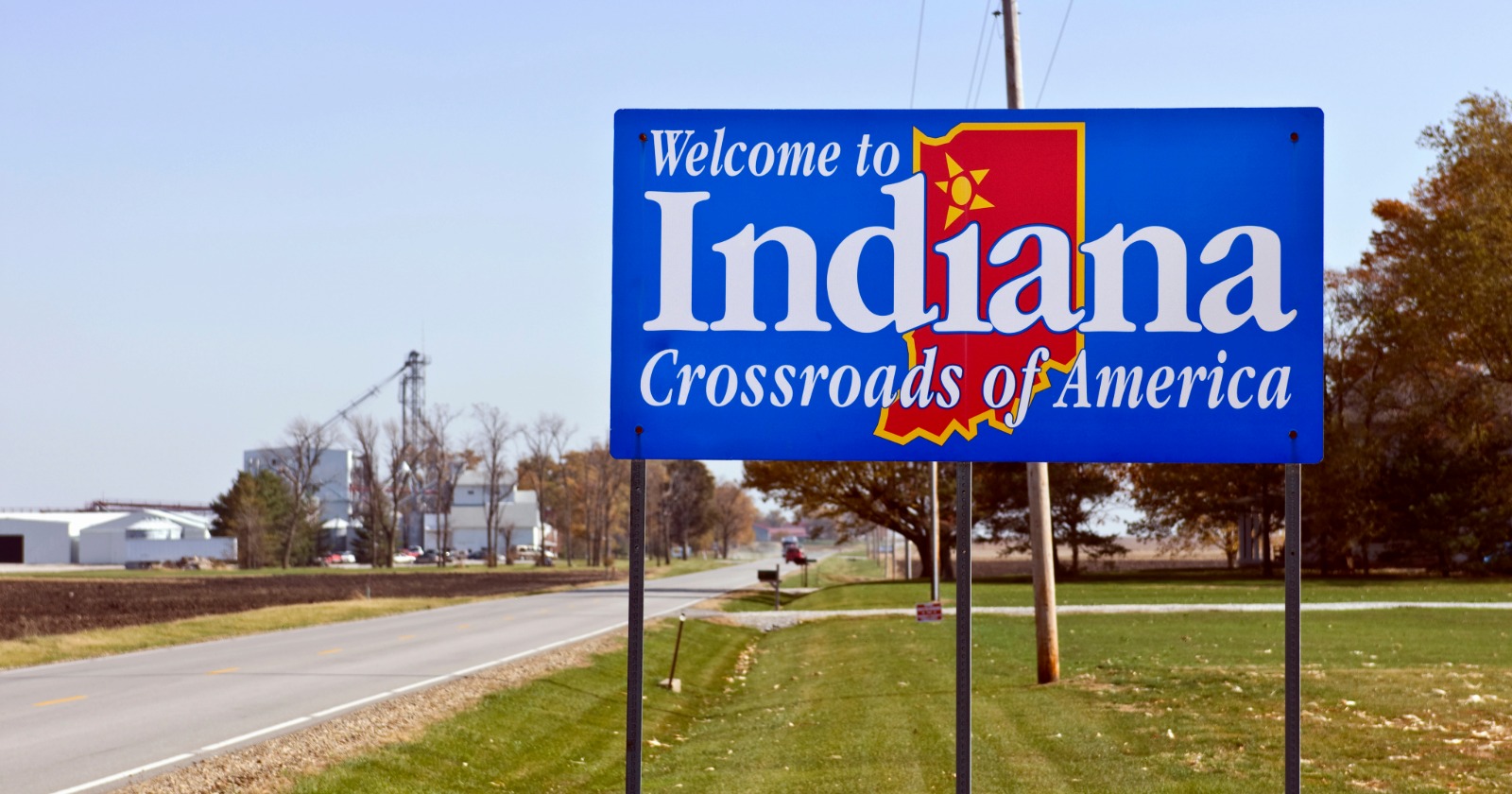
The Hoosier Lottery took in nearly $1.7 billion last fiscal year and expects to hand almost $350 million back to the state, according to preliminary, unaudited figures presented to the State Lottery Commission on Tuesday. The numbers were reported by Leslie Bonilla Muñiz for the Indiana Capital Chronicle.
That is up from $341 million the year before and still short of the pandemic-era record of almost $376 million in 2021. Executive Director Sarah Taylor told the commission the result stands out for the moment the industry is in. "Now, those (numbers) are not our highest year," Taylor said, "but they do represent another very strong year for the Hoosier Lottery, particularly in an environment where many lotteries across the country are still experiencing slower or even negative growth."
Indiana sends the money somewhere unusual
Most states from lottery profits send them to classrooms. Georgia puts every dollar into the HOPE Scholarship and Pre-K, Texas has routed more than $37 billion to its Foundation School Fund since 1997, and New York contributed $3.65 billion to public schools last year. Indiana does something different with its surplus. It pays down pension obligations for teachers, firefighters, and police officers, and it covers about half the cost of the motor vehicle excise tax residents pay to register and plate a car.
Taylor made the case for the second one plainly. "What we love about it is (that) it also impacts Hoosiers throughout every county, whether they play or not," she said. "We're touching all the local communities and counties throughout the state with the three funds that the Legislature has designated for us."
Offsetting a tax that residents would otherwise pay is a transfer to taxpayers rather than an increase in program spending, which is the same shape as Idaho's 2024 law sending its school dividend to offset voter-approved bonds and levies. We looked at how often earmarked lottery money ends up substituting for existing budgets in how much state lotteries actually give schools.
Why Powerball carried the year
The draw-game results split hard. Powerball brought in $134 million, roughly $48 million ahead of budget, while Mega Millions managed about $53 million and came in $15 million behind. Hoosier Lotto landed at about $44 million, within $1 million of expectations, and non-jackpot draw games returned $214 million, about $17 million better than planned.
Our draw records explain the gap between the two national games. Indiana's fiscal 2026 ran from July 2025 through June 2026, and two enormous Powerball runs landed inside it: $1.787 billion won by two tickets on September 6, 2025, and $1.817 billion won by a single ticket on December 24, 2025. Mega Millions had nothing close in the same window. Additionally, Mega Millions raised it price to $5 from $2, which angered some long-time players.
That timing also explains why Indiana grew while the national picture went the other way. US lotteries transferred about $28.4 billion to their beneficiaries in fiscal 2025, down from almost $30.6 billion the year before, in a year when only one jackpot cleared $1 billion. Indiana's fiscal 2026 covers the recovery.
What the Indiana rack looks like
Scratch tickets brought in $1.2 billion of the $1.7 billion total, and the lottery paid out about $1.1 billion in prizes across all games, roughly 65 cents of every dollar sold. Indiana keeps 56 active scratch-offs, and they average a 70.8% payout percentage against 70.0% for the country, so the rack is a shade better than typical.
The standout is Money Bag Multiplier, a $20 ticket rating 95.3 on our ValueScore™ with an 86.3% payout percentage, odds of 1 in 3.58, and three $500,000 top prizes unclaimed. That payout is one of the highest we track anywhere. $500 Grand at $50 rates 92.0, and Luxe Millions rates 85.6 with three $3 million top prizes left.
Operator Brightstar Indiana, formerly IGT Indiana, is expected to collect a $7 million incentive payment for hitting its targets. A miss would have required a shortfall payment under the performance-based contract instead.
Online sales are back on the table
Commissioners pointed to heavy use of the app's digital playslip as an argument for selling tickets online, an idea Indiana lawmakers have introduced and then dropped repeatedly. "It feels like, you know, it's a compelling argument for iLottery," Commissioner Luke Bosso said. External Affairs Director Jared Bond confirmed the lottery has sent an iLottery proposal to Governor Mike Braun's office, and framed the timing around the budget-writing session ahead. "Budget session, coming into that, the Legislature may be looking for some money," Bond said. "iLottery is an option for that, so we'll see where we land with that."
Current scores for every Indiana game are on our Indiana ValueScore™ rankings, and the full board is on the Indiana state page.
Sources
Frequently Asked Questions
Where does Hoosier Lottery money go?
Not to schools. Indiana directs its lottery surplus to pension funds for teachers, firefighters, and police officers, and to covering about half the cost of the motor vehicle excise tax that residents pay when they register a vehicle. That makes Indiana unusual, since most states that earmark lottery proceeds send them to education.
How much did the Hoosier Lottery make in fiscal 2026?
Sales were nearly $1.7 billion and the surplus going back to the state is almost $350 million, according to preliminary, unaudited figures presented to the State Lottery Commission on August 18, 2026. The lottery paid out about $1.1 billion in prizes. The prior year returned $341 million and the record was almost $376 million in 2021.
Can you buy Indiana lottery tickets online?
Not currently. The Hoosier Lottery has submitted an iLottery proposal to Governor Mike Braun’s office, and lawmakers have introduced and then dropped online sales several times. Players can build a playslip in the Hoosier Lottery app and generate a barcode for a retailer to scan, but the ticket still has to be printed in a store.

Jessie Jurado is a news writer who covers new scratch-off launches, state lottery guides, taxes on winnings, news, and much more. She joined ScratchCheck in 2026 and writes the site's state-by-state coverage.
Related Articles
South Carolina Circle K worker accused of cashing lottery tickets he never paid for
Oct 14, 2026, 12:11 PM EDT

Louisiana's four new scratch-offs hand out a free ticket on about 1 in 10 plays
Oct 13, 2026, 1:13 PM EDT
Minnesota's new $20 Mystery Prize Crossword wins 1 in 2.76 times and launches as the state's top-rated game
Oct 12, 2026, 12:46 PM EDT