How Many Scratch-Off Tickets Should You Buy at Once?
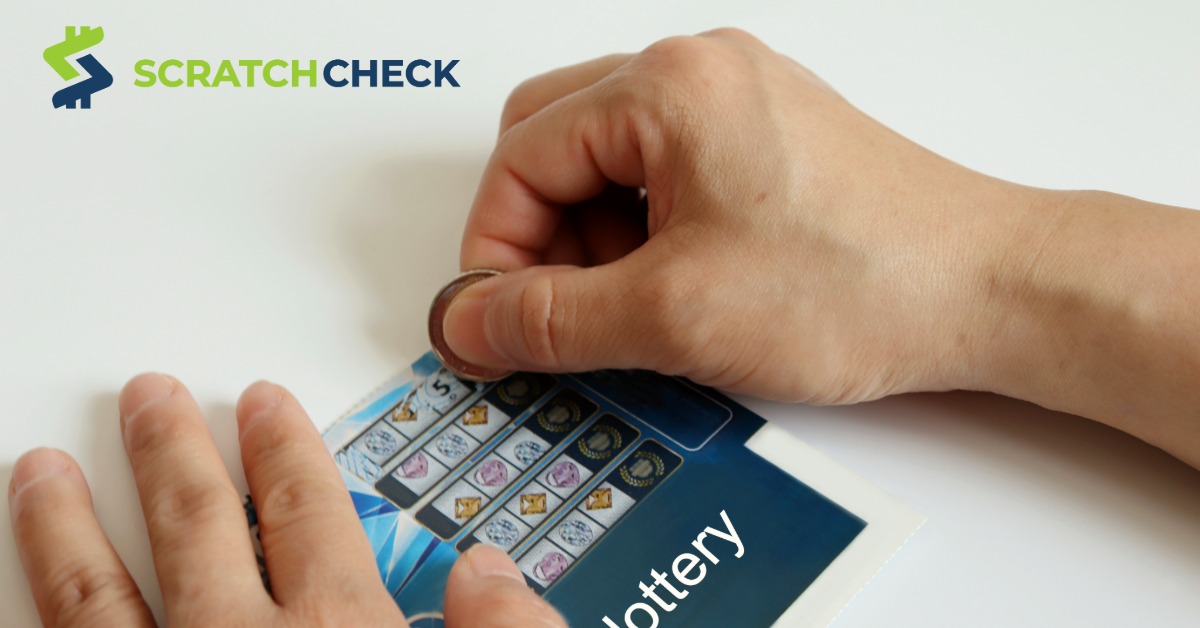
It's a question most players decide on gut feeling at the register. One ticket? A handful? A full roll? The answer depends on what you're trying to get out of the experience, and the math behind each approach is more interesting than most people realize.
The Case for One Ticket at a Time
Buying a single ticket keeps your spend controlled and your decision simple. You pick the best game available, you play it, and you're done. No temptation to keep going after a loss, no spiraling budget, no "just one more."
From a pure math standpoint, one ticket at 1 in 3.00 odds is one ticket at 1 in 3.00 odds. Buying five of the same ticket doesn't change the odds on any individual ticket. Each play is independent. The fifth ticket has exactly the same odds as the first one.
If budget control is your priority, one ticket at a time is a perfectly sound approach.
The Case for Buying Multiple From the Same Game
Here's where it gets more nuanced. Scratch-off prizes are distributed throughout a fixed print run, not randomly generated at the moment of purchase. Every game starts with a set number of winning tickets spread across the entire print run. As tickets are sold, the ratio of winners to losers in the remaining pool shifts.
This means buying multiple consecutive tickets from the same roll is slightly different from buying one ticket each from five different rolls. The prizes are distributed throughout the print run with some degree of spacing, not clustered or purely random. Buying in a single session from one roll gives you a small statistical argument for consistency, though the effect is modest and not a guarantee of anything.
The more practical reason to buy multiple tickets from the same game is value concentration. If you've identified a game with strong odds and healthy prize depth through ScratchCheck's rankings, putting your budget into that one game rather than spreading it across multiple games of varying quality keeps your spend in the best-odds game you've found.
Why Buying Across Different Games Dilutes Your Research
A common pattern is to buy one ticket from five different games in one visit. It feels like diversification. In practice it often means spending money on games you haven't checked, including potentially dead games with no top prizes remaining or games with significantly worse odds than what you started with.
If you've done the work to find a well-rated game with good odds and active prize depth, scattering your budget across four other games you haven't evaluated undermines that research. You're essentially mixing your best pick with random picks.
The better approach: pick one or two well-chosen games and put your budget there. If you want variety, pick two strong games rather than five random ones.
Buying a Full Roll: When It Makes Sense
Rolls of scratch-off tickets typically contain 30 to 40 tickets depending on the game and state. Buying a full roll can cost anywhere from $30 to over $1,000 depending on ticket price. For most players that's not a realistic option, but it comes up enough that it's worth addressing.
The argument for buying a full roll is that you're buying a representative sample of the entire game's prize distribution. The prizes are spread throughout the print run, and in theory a full roll contains roughly the expected proportion of winners for that game. In practice this doesn't guarantee anything. A roll could have better or worse than average results purely by chance.
What a full roll does guarantee is that your cost per ticket is predictable and your odds per ticket are exactly as advertised. You're not doing anything statistically special by buying the whole roll. You're just playing a larger sample size of the same game at the same odds.
Unless you have a specific game with exceptional odds and remaining prize depth, buying a full roll is more about entertainment volume than statistical advantage.
The Budget Question Is the Real Question
The most important factor in how many tickets to buy isn't odds or roll strategy. It's your budget. Deciding how much you're comfortable spending before you walk into a store matters more than any other consideration.
Once you have a budget, the question becomes: what's the best way to deploy it? Generally the answer is one well-chosen game at the highest price tier your budget supports, rather than many cheaper tickets spread across random games. A $20 budget spent on one good $20 ticket almost always outperforms the same $20 spent on twenty $1 tickets by expected value and overall odds.
If your budget is $10 and the best game you've found is $20, buying two $5 tickets from a strong game beats buying one ticket of a $10 game you haven't researched.
The One Rule That Overrides Everything Else
However many tickets you buy, make sure the game still has top prizes available before you buy any of them. One ticket from a live game beats ten tickets from a dead game every time. Check remaining prizes on ScratchCheck or your state lottery's website before you commit to any game regardless of quantity.
Beyond that, the ideal number of tickets is whatever fits your budget while keeping you in the best-odds, best-value game you can find. There's no magic number. There's just good game selection and staying within your means.
Find the best odds and remaining prizes for every active game in your state at ScratchCheck.com

Jessie Jurado is a news writer who covers new scratch-off launches, state lottery guides, taxes on winnings, news, and much more. She joined ScratchCheck in 2026 and writes the site's state-by-state coverage.