Powerball just hit $1 Billion. Here is how much you actually get after the cash option and taxes
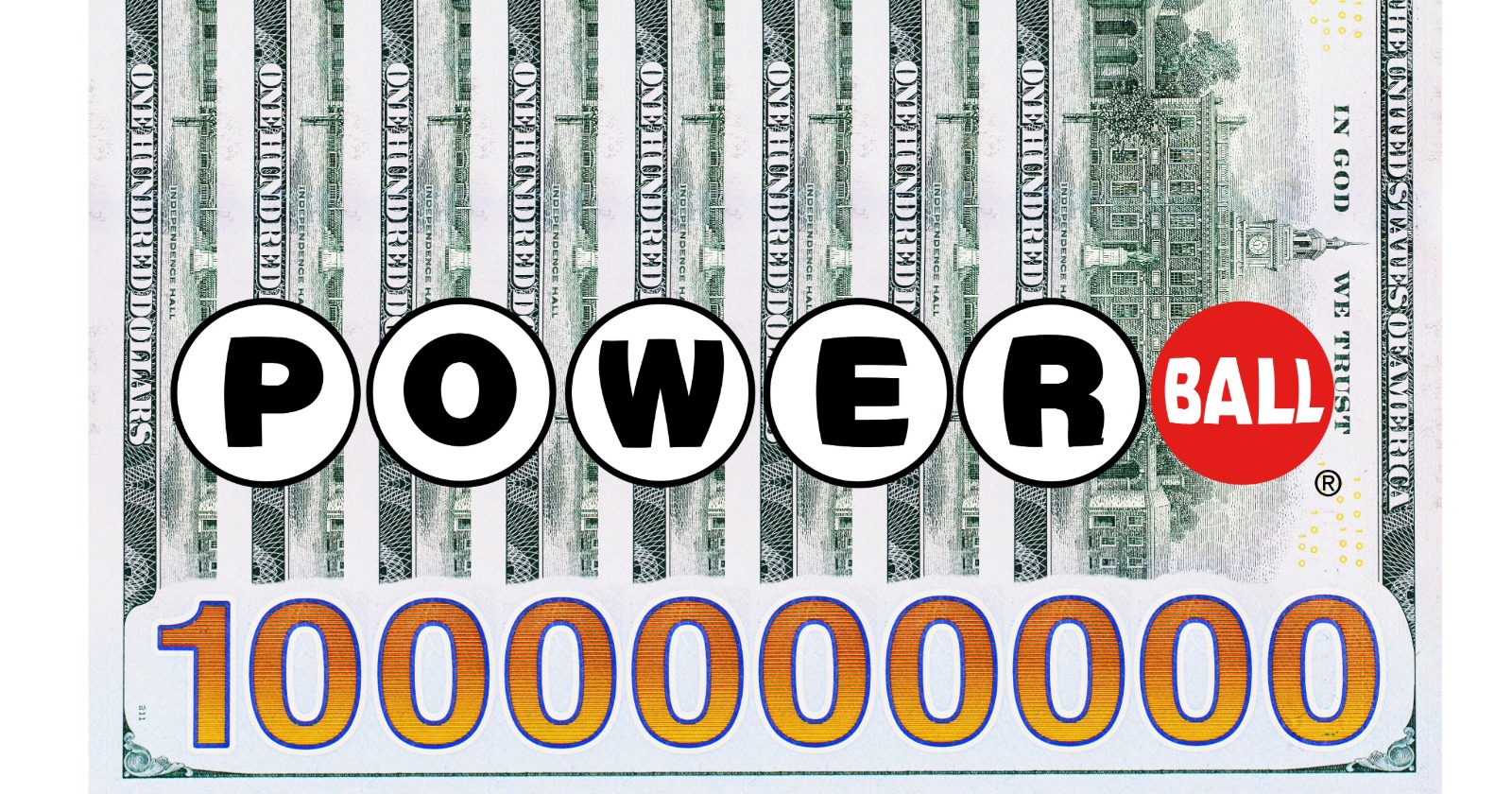
Powerball's jackpot reached an estimated $1 billion for Wednesday's drawing on August 12, 2026. A single winner who takes the cash option and lives in a state that does not tax lottery prizes ends up with roughly $272.9 million. In New York City it is closer to $208.9 million.
The advertised $1 billion is the annuity, what the prize pool would pay across 30 years, and almost nobody takes it. The cash value is what actually sits in the pool today: $433.1 million, about 43% of the $1 billion. Federal tax then takes 37% of that, or $160.2 million, because a prize this size sits entirely in the top bracket. What is left before state tax is $272.9 million.
Then your state has its turn in taxes. You can view the full breakdown of how much you will get via annuity and after taxes on our Powerball Analysis page.
| Where you claim | State rate | You keep |
|---|---|---|
| Texas, Florida, Washington, and 7 more states | 0% | $272,853,000 |
| California (state lottery exempt) | 0% | $272,853,000 |
| Arizona | 2.50% | $262,025,500 |
| Pennsylvania | 3.07% | $259,556,830 |
| Michigan | 4.25% | $254,446,250 |
| Georgia | 4.99% | $251,241,310 |
| Massachusetts | 9.00% | $233,874,000 |
| New Jersey | 10.75% | $226,294,750 |
| New York | 10.90% | $225,645,100 |
| New York City resident | 14.78% | $208,858,144 |
That is a $64 million spread on the same ticket, decided entirely by where the winner lives. California is the odd one out in a good way: it taxes income at up to 13.3% but exempts California Lottery winnings from taxes, so a Los Angeles winner keeps the same amount as a Texas winner. How the withholding and the final bill fit together is in how lottery winnings are taxed, and our lottery tax calculator runs any prize in any state.
The extra 13% bill that arrives in April
The check you receive is bigger than the money you keep. Lotteries withhold 24% for the IRS, which is $103.9 million here, so a winner walks away with around $329 million before state tax and reasonably assumes the taxman is done. But the taxman has to get the full amount. The top bracket is 37%, and the missing 13%, about $56.3 million, is due the following April. Winners who spend against the first number and forget the second 13% are how people with nine figures end up in weird situations.
What the annuity would pay instead
Taking the 30-year annuity means a first payment of roughly $15 million, growing about 5% a year to a final payment near $62 million. After federal tax that is about $630 million in total, more than double the $272.9 million cash route, because you are collecting the full $1 billion rather than today's discounted slice. The catch is that most of it arrives decades from now, and the reasons nearly every winner still takes the cash are in lump sum vs. annuity.
Powerball is 1 in 292.2 million for the jackpot no matter what the sign says, and a billion-dollar roll pulls in plenty of people who never buy a ticket otherwise. If you are the one, keep quiet and talk to a lawyer before anyone else.
Sources
Powerball: estimated jackpot and cash value for August 12, 2026
Frequently Asked Questions
How much do you actually get from a $1 billion Powerball jackpot?
About $272.9 million if you take the cash option and live in a state with no tax on lottery winnings. The advertised $1 billion is the annuity, the cash value is $433.1 million, and federal tax at the top 37% rate takes $160.2 million of that.
Why is the cash option so much less than the jackpot?
The advertised jackpot is what the prize pool would pay out over 30 graduated annual payments if invested. The cash value is what is actually in the pool right now, currently $433.1 million, or about 43% of the $1 billion headline.
How much tax is withheld from a Powerball jackpot?
The lottery withholds 24% for the IRS, which is $103.9 million on a $433.1 million cash payout, but a prize this size lands in the 37% bracket. The remaining 13%, roughly $56.3 million, comes due the following April.

Phil Nageotte is a writer covering scratch-off odds, expected value, prize data, and more. He joined ScratchCheck in 2026 after years of tracking lottery payouts in spreadsheets of his own.