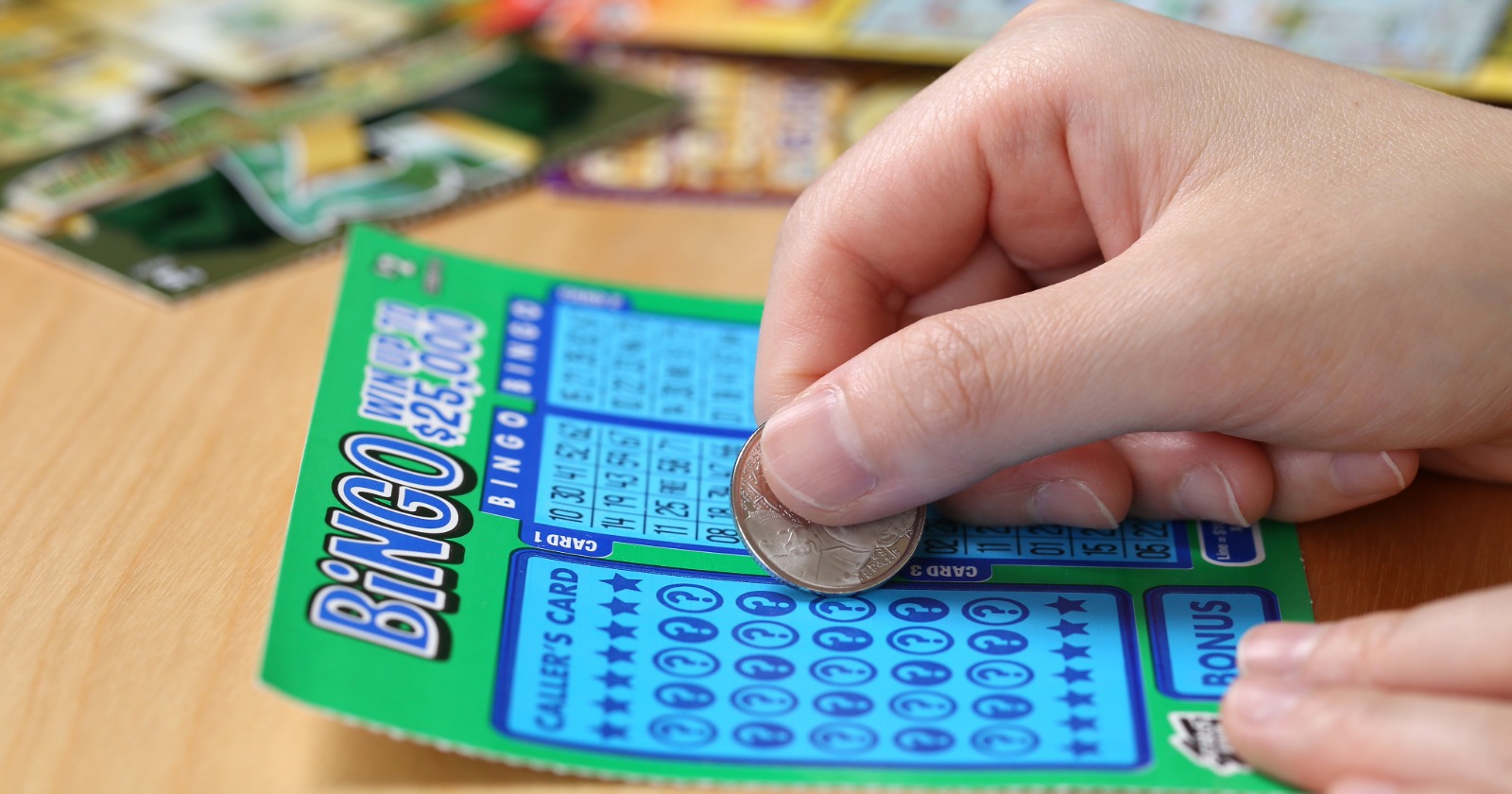
What happens if a minor buys a winning lottery ticket? The time California refused to pay a $5 million lottery ticket

What happens if a minor buys a winning lottery ticket? The short answer is that the ticket is void and the money is not paid, however large the prize and however genuine the win. The clearest illustration comes from California, where a validated $5 million ticket was never paid out.
The $5 million ticket California refused to pay
On October 16, 2016, Ward Thomas of Long Beach sent his 16-year-old son Benjamin to a Mobil station to exchange some winning scratchers. Benjamin bought a 100X The Money scratch-off ticket instead, and it was the winning $5 million ticket.
The California Lottery rejected the claim on December 5, 2016, on the ground that minors cannot legally buy tickets. Thomas argued that his son had been acting as his agent on his behalf and that the retailer never asked for identification. The gas station responded that Benjamin had used a fake driver's license and had previously cashed a $1,000 winner at the same counter.
In February 2018, Los Angeles Superior Court Judge Terry Green dismissed every claim. Benjamin, the court held, could not simply borrow his father's legal eligibility by acting on his behalf. The ticket was a winner, the lottery agreed it did, but nobody was paid.
The minimum age to buy lottery is not 18 everywhere
Most people assume 18 across the board. Five states disagree, and the lotteries state it plainly on their own sites.
| Minimum age | States |
|---|---|
| 21 | Arizona, Iowa, Louisiana, Mississippi |
| 19 | Nebraska |
| 18 | Every other state that runs a lottery |
Arizona's wording is worth noting because it covers both ends of the transaction: "You must be 21 years, or older, to purchase or redeem tickets." Redeeming is a separate act from buying, and a 19-year-old holding a winning Arizona ticket has a problem as they're not old enough to buy a ticket.
Where the money goes instead
A voided prize does not revert to the retailer or the person who sent the child into the store. It is handled as an unclaimed prize under that state's rules, which usually means it returns to the lottery and then to whatever the state funds with lottery money, or back into future prize pools. We traced where that money ends up in what happens to unclaimed lottery prizes.
The retailer has its own exposure. Selling to a minor is a violation of the lottery license in every state, and lotteries run compliance checks using underage buyers to test if stores actually sell them tickets.
The gift problem
This catches decent people every year as well. A scratch-off in a child's stocking is a common present, and it creates the same defect as the Long Beach case if it wins, because the child cannot claim it. Some states let a parent or guardian claim on a minor's behalf when the ticket was lawfully purchased by an adult, and others do not, so the answer depends on where you are, you'll have to ask a lawyer for clarification on that.
The National Council on Problem Gambling runs an annual Gift Responsibly campaign on exactly this point, joined by more than 230 lotteries and partners worldwide in 2025. Their argument is about exposure rather than paperwork: research the campaign cites finds many people report first gambling between the ages of nine and eleven, often through a ticket handed over by an adult who saw no harm in it.
The lesson
Buy your own tickets, keep them in your own name, sign the back immediately, and treat a scratch-off as an adult purchase rather than a small gift. Our guide to claiming a scratch-off prize covers the identification each state asks for at the counter.
Sources
Report on the California Lottery’s refusal to pay a $5 million ticket bought by a minor
Arizona Lottery: must be 21 or older to purchase or redeem
National Council on Problem Gambling: Gift Responsibly campaign
Frequently Asked Questions
Can a minor claim a winning lottery ticket?
No. Every US lottery requires the purchaser to be of legal age, and a ticket bought by a minor is void even when it holds a winning combination. The prize is not paid, and in most states the money is treated as an unclaimed prize.
Has a lottery really refused to pay a minor?
Yes. In 2016 a 16-year-old in Long Beach bought a $5 million California Scratchers ticket. The California Lottery rejected the claim on December 5, 2016, and in February 2018 a Los Angeles Superior Court judge dismissed the family’s case. The ticket was a genuine winner and was never paid.
How old do you have to be to buy a lottery ticket?
Eighteen in most states. Arizona, Iowa, Louisiana and Mississippi require 21, and Nebraska requires 19. Buying on behalf of someone underage does not transfer eligibility, and neither does an adult sending a child into the store.

Jessie Jurado is a news writer who covers new scratch-off launches, state lottery guides, taxes on winnings, news, and much more. She joined ScratchCheck in 2026 and writes the site's state-by-state coverage.