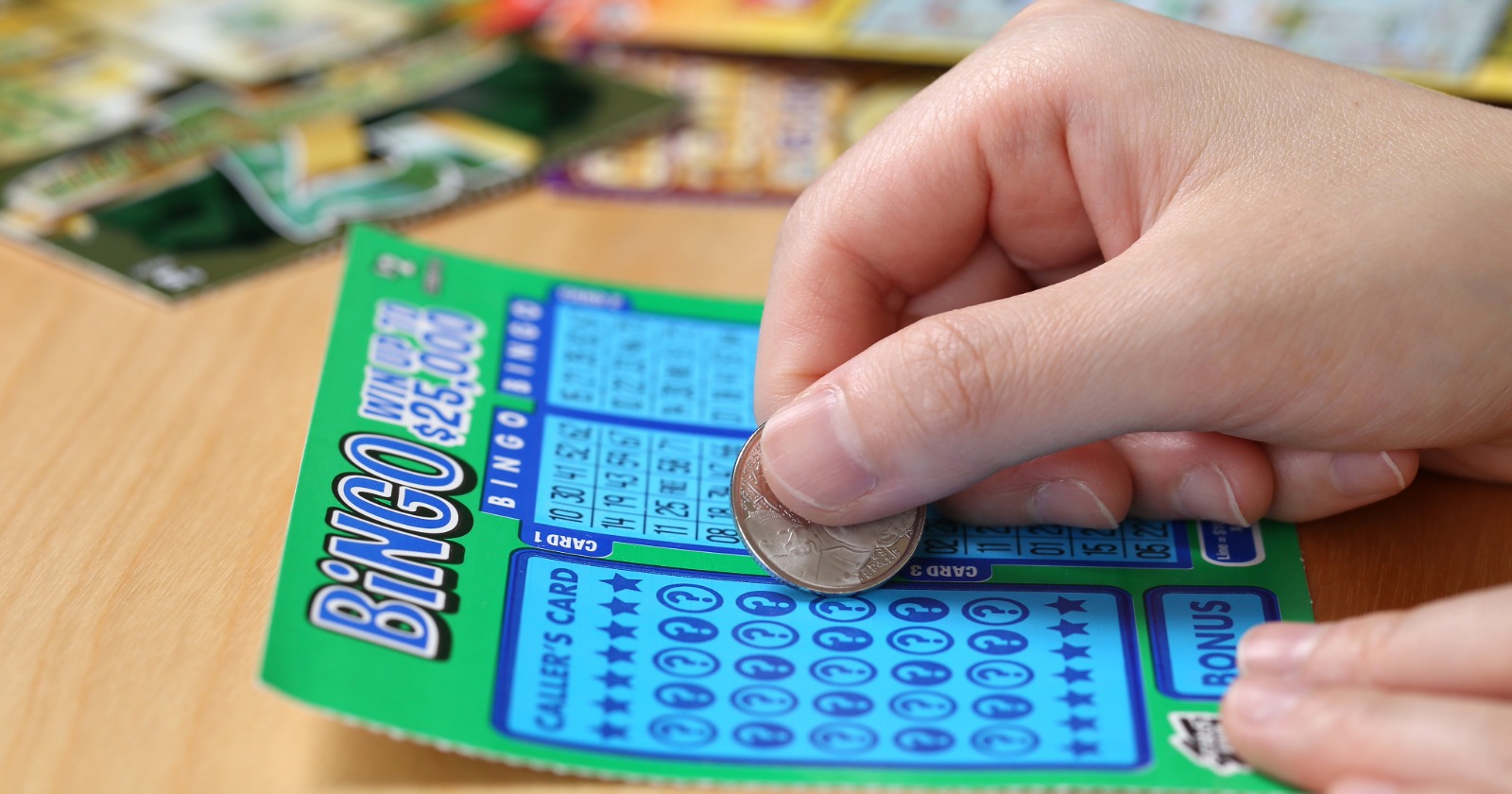
Why are people buying losing lottery tickets on eBay?
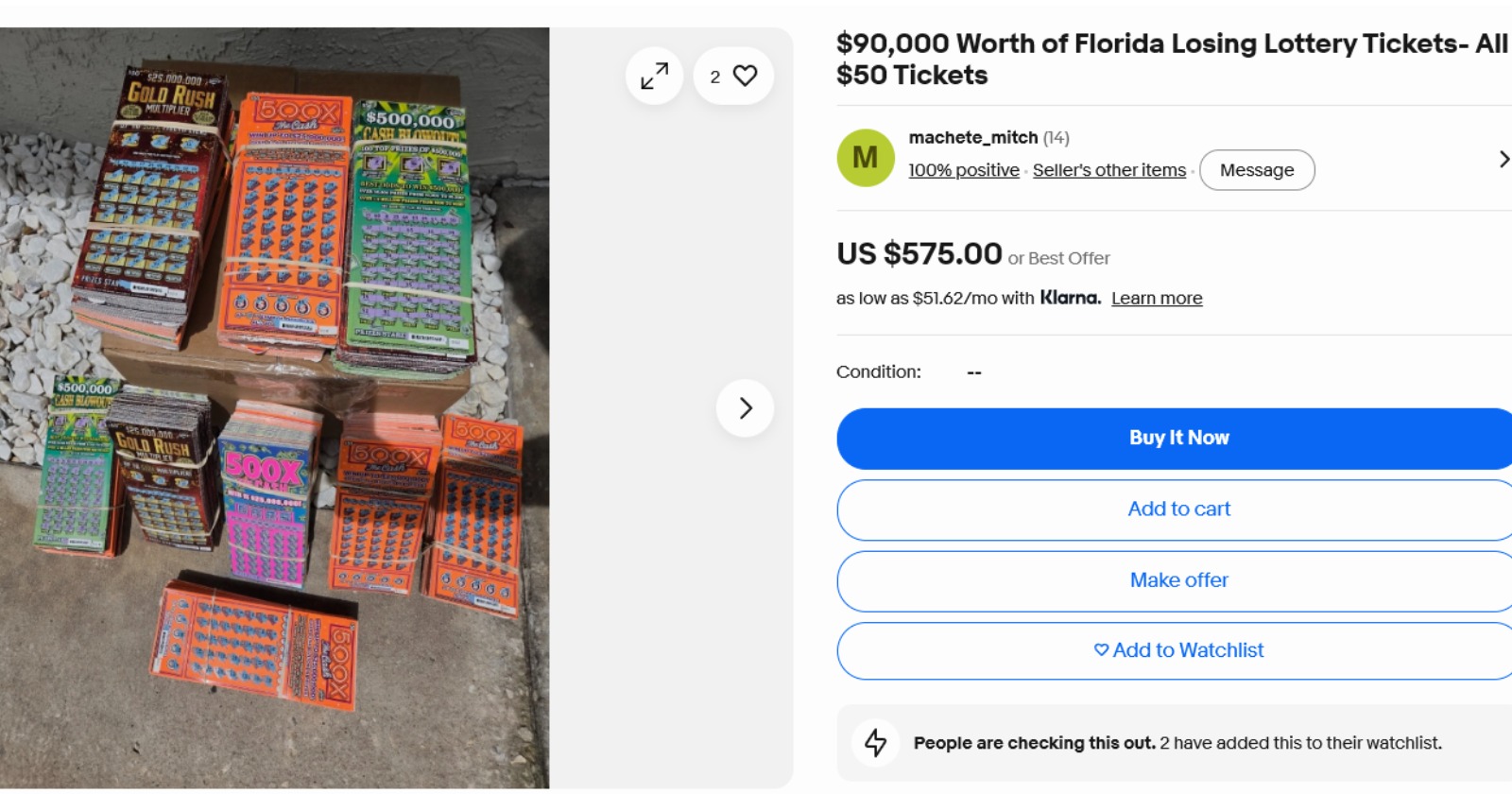
Search "losing lottery tickets" on eBay and the results are strange: stacks of losing scratch-offs are being sold by the pound. Media outlet Fortune found a pound of losing Pennsylvania tickets being sold for $10, $5,200 in losing Ohio tickets for $29.99, and one listing offering $90,000 in losing Florida tickets for $575. The obvious question is why anyone would pay real money for the losing tickets?
For most sellers the cover story is collectibles: the listings lean on words like "vintage," "rare" and "no value." But search long enough and blunter phrases slip through eBay's filters, "tax write offs" and "tax deduction."
"This is a way to offset your taxes, clearly tax fraud," said Jeffrey Hoopes, an accounting professor at the University of North Carolina's Kenan-Flagler Business School and research director of the UNC Tax Center. "There's lots of ways to commit tax fraud. This is just an interesting one."

Why tax accountants say it is fraud
Gambling losses are deductible, which is where the idea comes from. Winnings from lotteries, sports betting, casinos and raffles are fully taxable, and IRS Topic 419 lets you offset them with losses. But the rules are narrow, and a bag of bought tickets fails all of them. You can only deduct if you itemize, only up to the winnings you actually reported, and only with your own documented losses: the IRS wants a real diary of wins and losses backed by receipts, tickets, or statements. A stranger's losing scratch-offs are not a record of anything you did, so using them to inflate a deduction is fabricating evidence, the tax equivalent of writing yourself fake business receipts. We cover the legitimate version in can you write off scratch-off losses.
eBay says the same in its own way. A spokesperson told Fortune that expired tickets can be sold as collectibles when the listing says they are expired and legal to sell, but "listings that promote potentially improper uses of these items are not allowed and will be removed." A title screaming "TAX WRITE OFFS" is hard to read as anything but the improper use eBay screens for. Hoopes noted the tickets do have genuine innocent buyers too, since people collect all kinds of odd paper, but the intent behind a "tax deduction" listing is not subtle.
The timing gives the buyers away
Hoopes actually studied this, tracking eBay listings tagged "losing lottery tickets" from 2014 to 2017, he found they climb to a peak around March, hold at their peak through April, then fall by more than half over the summer. The spikes line up with the run-up to the April 15 filing deadline and the lulls with everything after it, which is not how people shop for collectibles. He keeps a three-inch stack of the tickets, bought on eBay, in his school's tax museum for research.
The enforcement backdrop helps explain why some people risk it. A 2024 audit by the Treasury Inspector General for Tax Administration found that nearly 149,000 people who won more than $15,000 gambling between 2018 and 2020 never filed a return reflecting the win, hiding $13.2 billion in winnings, and estimated the IRS could collect about $1.4 billion more a year just by chasing those cases.
The deduction changed
The math for these deductions changed this year. Under the One Big Beautiful Bill Act, starting with the 2026 tax year gamblers can deduct only 90% of their losses against winnings, down from 100%. Someone who wins $100,000 and loses $100,000 in the same year, once a clean even wash, is now left owing tax on $10,000. So even a perfectly documented, perfectly legal loss shields less than it used to, and the Joint Committee on Taxation expects the change to raise about $1.1 billion over ten years.
You can check out the taxes on lottery winnings on our lottery tax calculator and get more information on our how lottery winnings are taxed article.
Sources
Fortune: Gamblers are buying losing lottery tickets on eBay to offset their taxes
Frequently Asked Questions
Why do people buy losing lottery tickets on eBay?
A small group buys them to fake a paper trail for gambling-loss deductions, hoping to offset the tax on their winnings. A UNC tax professor calls it clearly tax fraud. Others buy stacks of old tickets simply as collectibles, which is a legal use.
Can you deduct gambling losses on your taxes?
Yes, but only your own losses, only if you itemize, only up to the amount of winnings you reported, and only with real records: a diary of wins and losses plus receipts, tickets or statements. A stack of someone else's losing tickets is not proof of your losses, which is why buying them to claim a deduction is fraud.
Did the tax rules for gambling losses change?
Yes. Under the One Big Beautiful Bill Act, starting with the 2026 tax year only 90% of gambling losses can be deducted against winnings, down from 100%. A gambler who wins and loses $100,000 in the same year is now left with $10,000 of taxable "phantom income."

Jessie Jurado is a news writer who covers new scratch-off launches, state lottery guides, taxes on winnings, news, and much more. She joined ScratchCheck in 2026 and writes the site's state-by-state coverage.