
Maine's anonymous $1.35 billion lottery winner drops lawsuit that threatened to reveal his identity

The winner of Maine's largest lottery prize has asked a federal judge to dismiss the lawsuit he filed to keep his identity secret. The request came one day before an appeals court ruled that taking the case to trial would likely expose the very identity he was trying to protect.
The man won $1.35 billion in the January 13, 2023 Mega Millions drawing on a ticket sold at a convenience store in Lebanon, in York County, and claimed the prize through an LLC registered in Delaware. In November 2023 he sued his ex-wife in U.S. District Court, alleging she had violated an NDA (nondisclosure agreement) meant to shield his identity, and sought at least $100,000 in damages. The case was filed under the pseudonyms John Doe and Sara Smith.
His attorneys have said the agreement was signed to protect the couple's daughter, who is a minor. The woman, who works as an emergency room nurse, denies violating it and has argued in court records that the lawsuit looked like an attempt to make things harder for her in their child custody case.
The ruling that landed a day late
Judge John Woodcock had refused to seal the case records or or allow the parties to use pseudonyms at trial. The Maine Trust for Local News had intervened, arguing that closing the proceedings would violate the public's common-law and First Amendment rights of access. On Tuesday, the 1st U.S. Circuit Court of Appeals upheld Woodcock's decision.
Judge O. Rogeriee Thompson wrote that the man's lawyers had not produced other cases explaining why his agreement should "constitutionally compel the district court to shutter the courtroom doors." The one ruling they cited dated to the 1920s and was later overruled by the Supreme Court.
"We can well appreciate some of Doe's concerns — certainly, we respect his worries about his family's safety lest his identity be unveiled," Thompson wrote. "Yet we discern no abuse of discretion in the district court's careful judgment preserving the common-law tradition of public access to — and oversight of — our judicial proceedings."
The motion to dismiss had been filed the day before, on Monday. His attorneys, Louise Aponte and Gregory Brown, acknowledged the pending decision and described the position it left their client in. "That is, even if plaintiff were to win on his claims, his identity and confidential information would be revealed to the media and public, which is exactly what he brought suit to avoid," they wrote. They also said that after deposing the woman they were "reasonably satisfied that defendant's breaches, as identified in that deposition, can be mitigated to protect the privacy and safety of plaintiff and his minor child."
Her attorney, Peter Brann, said the defense will oppose the motion because it was filed without prejudice, leaving the door open to refiling. "Which means that they can turn around and file another baseless lawsuit against the defendant tomorrow," Brann said. He said the deposition identified no new breaches and that the original allegation was false.
The deposition is not in the public court record. The woman's attorneys have until October 5 to respond, and a judge has to approve any dismissal.
Maine changed the law two years too late for him
When the ticket was claimed in early 2023, Maine had no statute letting a jackpot winner stay anonymous. That is why the prize went to a Delaware LLC, and why an agreement between two private people was carrying the weight.
That has since changed. Title 8, section 378-B of Maine law, enacted in 2025, makes the identity of a person awarded $100,000 or more confidential unless the winner authorizes disclosure in writing. A jackpot claimed in Maine today would not need a company or a contract to stay private.
Entities remain the workaround in states without that protection. A New York player used an LLC to collect a $10 million scratch-off prize, and a Massachusetts trust claimed $25 million this month with only the trustee named. Which states allow what is covered here, and the case for saying nothing at all is covered here.
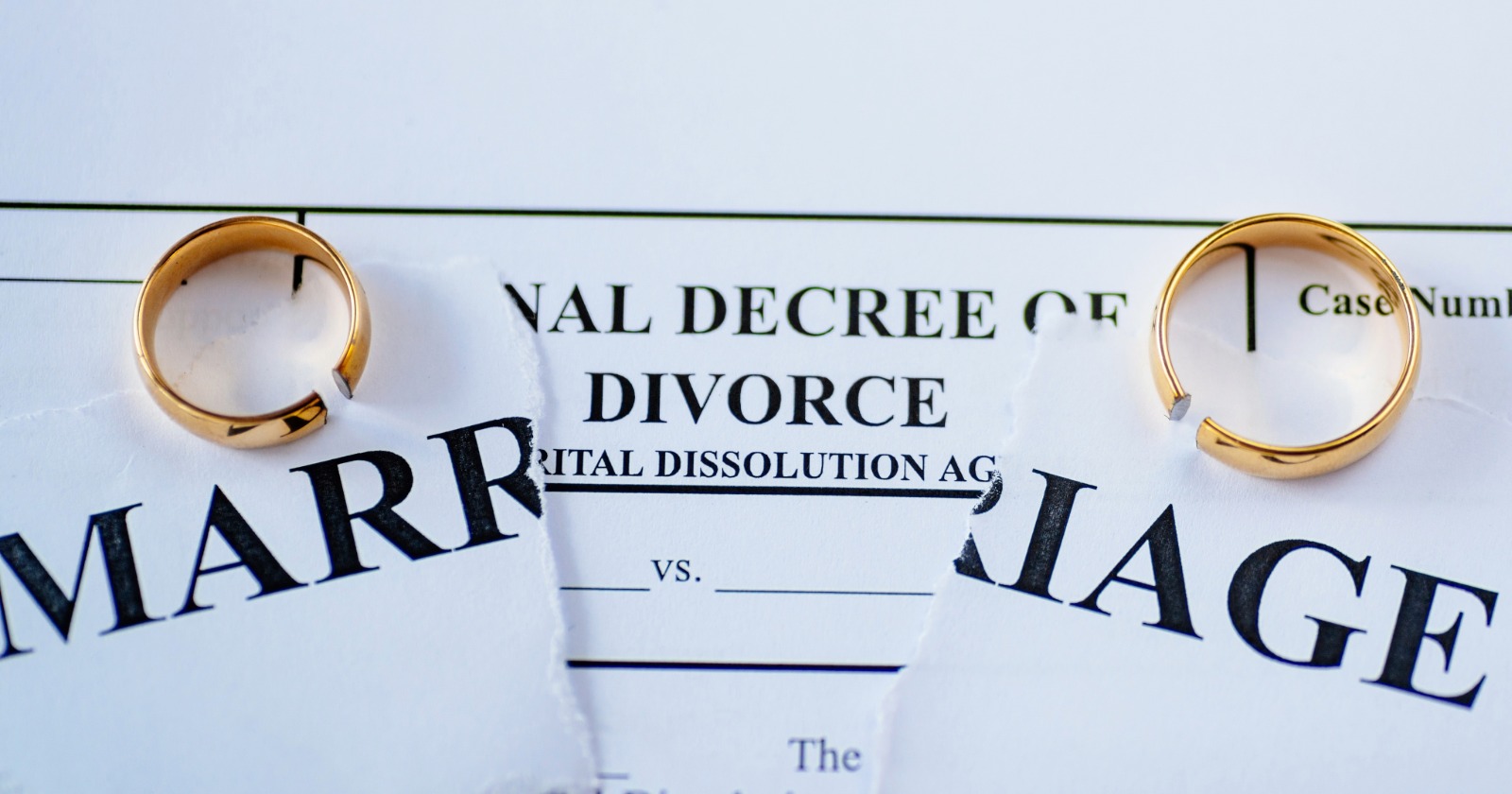
The wider point in the ruling is that anonymity granted by a lottery does not follow a winner into a courtroom. Suing someone puts the dispute on the public record, and a prize can draw the people closest to a winner into court, as a Rhode Island divorce over a $4 million prize showed.
The January 2023 prize was the third-largest Mega Millions jackpot ever, behind $1.602 billion in August 2023 and $1.537 billion in October 2018. The winning numbers were 30, 43, 45, 46, and 61, with a Mega Ball of 14.
Sources
Portland Press Herald: Maine's $1B lottery winner asks to drop privacy lawsuit against ex
Maine Revised Statutes: Title 8, section 378-B, lottery winner identity confidentiality
Frequently Asked Questions
Who won the $1.35 billion Mega Millions jackpot in Maine?
The winner has never been publicly identified. The ticket was sold at a convenience store in Lebanon, in York County, for the January 13, 2023 drawing, and the prize was claimed through an LLC registered in Delaware. In court filings he has used the pseudonym John Doe.
Why did the Maine lottery winner sue his ex?
He alleged in November 2023 that she had violated a nondisclosure agreement meant to protect his identity, and sought at least $100,000 in damages. His lawyers say the agreement was signed to protect the couple's daughter, who is a minor. She denies breaching it.
Can lottery winners stay anonymous in Maine?
They can now. A law enacted in 2025, Title 8 section 378-B, makes the identity of anyone awarded $100,000 or more confidential unless the winner authorizes disclosure in writing. That protection did not exist when the $1.35 billion prize was claimed in early 2023.

Jessie Jurado is a news writer who covers new scratch-off launches, state lottery guides, taxes on winnings, news, and much more. She joined ScratchCheck in 2026 and writes the site's state-by-state coverage.
Related Articles

Virginia Lottery launches five new scratch-offs with top prizes up to $3 million
Oct 9, 2026, 1:39 PM EDT

West Virginia's two new keno scratch-offs both pay above the state average for their price
Oct 8, 2026, 6:00 PM EDT
Lottery wins made men likelier to get married, and women likelier to get a divorce, a study finds
Oct 8, 2026, 1:17 PM EDT